
From the early thirties, muscle mass and strength decline unless something is done about it, and the research of the last decade has made two things clear: resistance training is the single most effective intervention for healthy ageing, and markers like grip strength predict longevity better than many clinical tests. This hub collects the studies on how much training is enough, whether training to failure matters, what creatine and protein distribution actually do, how strength protects the brain and bones, and how recovery methods such as cold-water immersion and HRV monitoring fit in. Written for adults who want evidence, not bodybuilding folklore.
What the research says
The dose question has been answered more precisely than most people realise. A 2026 analysis of 137 studies summarised in simple resistance training found that around ten hard sets per muscle group per week is enough to drive growth, and a meta-analysis of 15 trials showed that training to failure is not required; stopping two or three repetitions short produces the same hypertrophy with less fatigue. What that strength buys is also well quantified. In NHANES data on 9,583 adults, grip strength was among the strongest single predictors of lifespan, a finding explored further in grip strength as a longevity biomarker; a 2024 study of 1,200 people found resistance training improved cognitive scores by about 18%; and the bone-health evidence makes lifting the primary non-drug intervention against osteoporosis.
Two supplements have real evidence. Creatine monohydrate adds 5–20% to strength gains at 3–5 g a day and, in a 2026 review of five trials, showed promise as an adjunct in depression. The rest of the recovery and performance toolkit is more mixed: HRV monitoring helps manage load in trained athletes, blood-flow-restriction training builds muscle at 20–35% of maximal load and is useful around injury, and elite recovery technology mostly rediscovers sleep and protein. For older adults specifically, isometric training delivers strength with no joint impact, and the Nordic hamstring exercise cuts hamstring injury risk by up to half in people who run or play football.
Why the Gulf is different
Muscle loss starts in the thirties everywhere, but several Gulf factors accelerate it. Physical activity is low by global standards and the hot season removes most incidental movement for five months. Vitamin D deficiency, which impairs muscle function directly, is close to universal. Protein intake is often back-loaded into a single late meal, which the Ramadan pillar shows is the least effective pattern for muscle. And gym culture in the region has historically centred on young men and bodybuilding aesthetics, so adults over 40 and most women have had few models of what sensible strength training looks like. The trial evidence says it looks ordinary: two or three short sessions a week, a handful of compound movements, progressive load, for decades.
A practical plan
- Two or three sessions a week, 40–50 minutes each. Full body each time: a squat or leg press, a hinge (deadlift or hip thrust), a push, a pull, and a carry or core movement, as laid out in core stability exercises.
- Ten working sets per muscle per week, two to three reps short of failure. Three sets of 8–12 for each movement, twice a week, gets there.
- Add weight when all sets hit the top of the rep range. Small increments, 2.5 kg on upper-body lifts and 5 kg on lower-body lifts, every one to two weeks.
- Eat 1.4–1.6 g of protein per kilogram, spread over three or four meals. Add 3–5 g of creatine daily if you want the extra margin; it is safe for healthy kidneys.
- Test grip strength twice a year. A cheap dynamometer gives a number; below about 26 kg for men and 16 kg for women is the clinical threshold for concern.
- Keep the joints happy. A ten-minute warm-up, basic stretching, and swapping an exercise rather than pushing through pain. See injury prevention for the full approach.
Common mistakes
- Training only “cardio” after 40 because weights seem risky. The injury rate in supervised resistance training is lower than in running.
- Every set to failure, every session. It raises fatigue and injury risk without extra growth.
- Skipping legs. Leg strength is what determines whether someone can get off the floor at 80.
- Changing programmes every fortnight; progress needs the same lifts long enough to add weight to them.
- Measuring progress by the mirror rather than by the logbook and the grip test.
When to seek medical help
Joint pain that persists for more than two weeks or that is accompanied by swelling, numbness or weakness in a limb, chest pain or unusual breathlessness during lifting, and any sudden sharp pain during a set should be assessed rather than trained through. Men and women over 50 who have never trained should have blood pressure checked before starting, and anyone with a heart condition, uncontrolled hypertension or a hernia should get clearance first. Unexplained loss of strength or muscle mass despite training is a medical question, not a programming one.
Articles in this pillar
 Blood Flow Restriction Training: 859-Athlete Meta-Analysis
 HRV Monitoring Training Load Athletes: How Heart Rate Variability Data Prevents Overtraining and Maximizes Performance
 Why flywheel eccentric overload training outperforms traditional weights: 2026 meta-analysis of 324 athletes
 Grip Strength Longevity Predictor: 2024 NHANES Study of 9,583 Adults Reveals How Your Handshake Predicts Lifespan
 Nordic Hamstring Exercise: How This Simple Movement Reduces Hamstring Injuries by Up to 51%
 Resistance Training Cognitive Function: 2024 Meta-Analysis Reveals How Strength Training Protects Your Brain as You Age
 Training to Failure Muscle Growth: What a 2022 Meta-Analysis of 15 Studies Actually Shows
 Creatine Depression Treatment: 2026 Systematic Review Reveals Surprising Brain Benefits of This Common Supplement
 Plyometric Exercise Performance: Why Jump Tests May Not Measure Your Strength Gains Accurately
 Beetroot Juice Athletic Performance: New Study Reveals Golden 8-Minute Window for Elite Basketball Players
 Sprint Exercise Post-Exercise Hypotension: How Short Bursts of Intense Exercise Affect Your Blood Pressure
 Loneliness Mortality Risk: A Massive Study of 2.2 Million People Reveals How Social Isolation Shortens Your Life
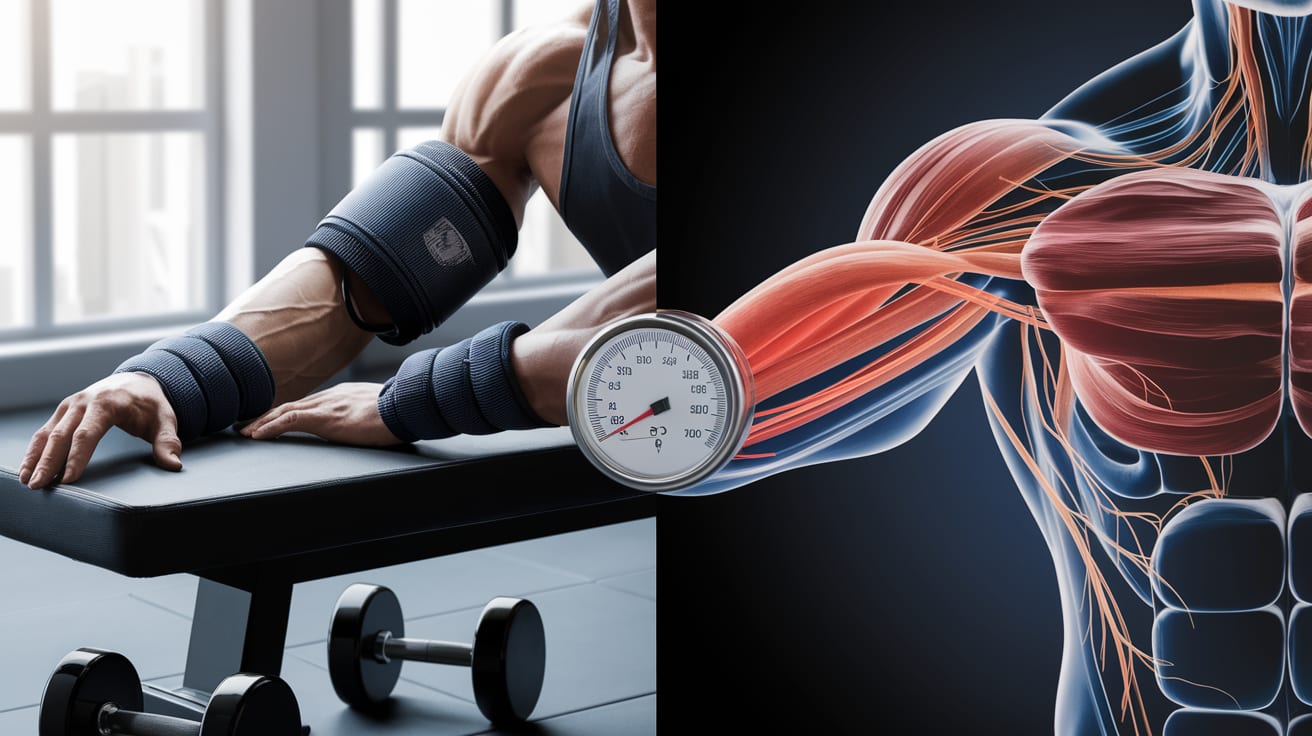 Blood Flow Restriction Training: How to Build Muscle With Light Loads, According to New Research
 How Self-Selected Music Boosts Workout Endurance by 20%
 Resistance Training Rejuvenates Aging Skin, New Research Finds
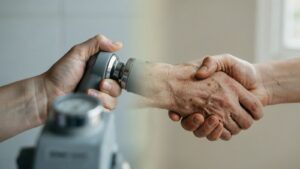 Grip Strength: The 30-Second Test That Predicts How Long You Will Live
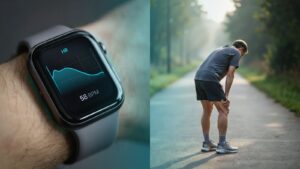 Heart Rate Recovery: The Simple Number That Predicts Heart Disease Risk
 Blummenfelt Just Recorded a 101.1 VO2max. Heres Why Scientists Are Skeptical
 Which Juices Actually Boost Athletic Performance? What the Science Says
 Inside the Million-Dollar Recovery Tech That Keeps Elite Athletes Performing in Their 40s
 Athletic Bradycardia: Why Elite Endurance Athletes Have Such Slow Heart Rates
 Rhodiola Rosea and Football Performance: What the Science Shows
 The Science of Successful Cycling Performance
 Isometric Strength Training: The Quiet Revolution in Modern Fitness
 Creatine and Muscle Strength: The Science ExplainedInside professional cycling training: male vs female prep
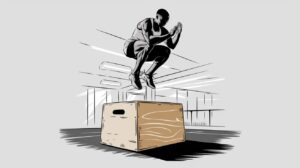 Plyometric training for explosive power: Transform your athletic performance
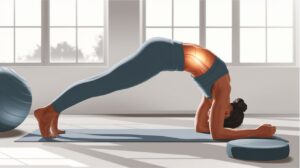 Core Stability Exercises: Evidence-Based Benefits for 2026
 Senolytic Therapy Cellular Aging: The 2026 Anti-Aging Revolution
 Running Statistics: 5-Minute Daily Fitness Secrets
More articles in this pillar
- Daily Habits to Strengthen Immunity: Your Practical Disease Prevention Guide
- Master stretching and flexibility for beginners today
- Blood Pressure Exercise Research: Science-Backed Strategies for a Healthy Heart
- Bone Health Facts and Osteoporosis Prevention: Your Lifelong Wellness Strategy
- Sports Injury Prevention: The Science-Backed Safe Training Guide
- Simple Resistance Training: Your Guide to Building Strong Muscles
- High-Intensity Workouts: The Complete 2026 Guide to Time-Efficient Fitness
- Fitness Training: Complete Guide to Better Health and Longevity
- SuperAgers: The Science Behind Those Who Defy Memory Aging
- Smart Fitness Training 2026: Science-Backed Exercises That Work