Bone health is not a concern for later in life—it is an investment you make today. Research from the National Osteoporosis Foundation and the World Health Organization points to a stark reality: roughly 1 in 3 women and 1 in 5 men over 50 will experience an osteoporosis-related fracture. Your skeleton is not a static structure; it is dynamic tissue, constantly being broken down and rebuilt throughout your life. Understanding how that process works—and how to support it—now shapes your mobility and independence decades from now.
How Bone Density Changes Over a Lifetime
Bones reach their peak density around age 30. After that point, density gradually declines as the balance between bone breakdown and bone formation shifts—a natural process that accelerates further after menopause in women due to the drop in estrogen, a hormone that helps protect bone density. The good news is that this decline is not fixed or inevitable in its pace. A combination of adequate calcium, sufficient vitamin D, and regular weight-bearing exercise forms the strongest evidence-based defense against osteoporosis, and consistent long-term adherence to these habits has been linked to meaningfully lower fracture risk in population studies. Residents of Saudi Arabia have one natural advantage here: abundant year-round sunshine supports the vitamin D synthesis that calcium absorption depends on, and outdoor activity is woven into daily and cultural life.
The Calcium and Vitamin D Partnership
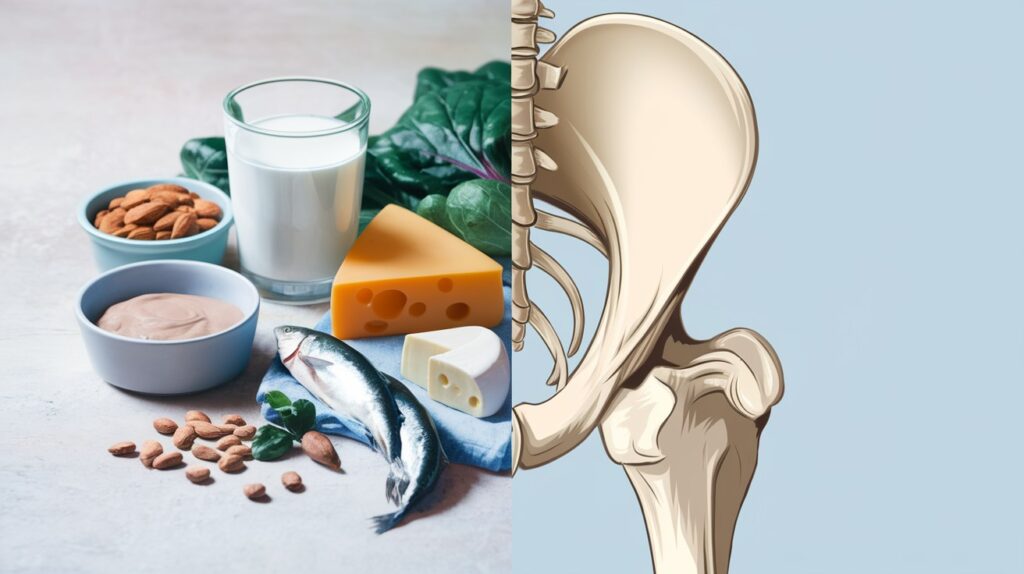
Calcium is the structural building block of bone, with most adults needing roughly 1,000–1,200 mg daily depending on age and sex. But calcium alone is not enough—vitamin D is what allows the body to actually absorb and use it. Without adequate vitamin D, much of the calcium you consume passes through the digestive system largely unused. Good calcium sources include dairy products, fortified plant milks, fatty fish such as sardines eaten with their bones, leafy greens, and almonds. Vitamin D comes primarily from sun exposure—around 15 to 30 minutes of midday sunlight on exposed skin several times a week is often enough for many people—along with dietary sources like fatty fish and egg yolks. Saudi Arabia’s climate is a genuine metabolic advantage here: reliable year-round sun exposure supports natural vitamin D synthesis for most residents without needing supplementation, though people who spend most of their time indoors or who cover most of their skin should discuss their vitamin D levels with a doctor.
Why Weight-Bearing Exercise Matters
Any activity where your body weight creates resistance against gravity—walking, running, dancing, stair climbing, or resistance training—stimulates bone tissue to adapt and strengthen. This is a genuinely elegant biological mechanism: mechanical stress on bone triggers cells called osteoblasts to lay down new bone tissue, gradually increasing density in the areas under load. Public health guidance generally points to around 150 minutes of moderate weight-bearing activity per week as a meaningful target for measurable benefit over time. You do not need a gym membership to hit this: brisk walking, taking the stairs, or simple home-based resistance exercises with bodyweight or light weights all contribute. Resistance training carries an added benefit worth highlighting—it also builds the muscle strength and balance that reduce fall risk, which matters just as much as bone density itself when it comes to preventing fractures.
Who Faces Elevated Risk
Post-menopausal women face a meaningfully higher osteoporosis risk due to the estrogen decline that follows menopause, since estrogen plays a protective role in maintaining bone density. Men over 50 are also at increased risk, though generally at lower rates than women of the same age. Other risk factors include a family history of osteoporosis, long-term use of certain medications such as corticosteroids, smoking, heavy alcohol use, and inadequate calcium or vitamin D intake over many years. For anyone in these higher-risk groups, a conversation with a physician about bone density screening—typically a DXA scan—is a reasonable and worthwhile step, since early detection allows for earlier intervention.
Nutrition Beyond Calcium and Vitamin D
While calcium and vitamin D get most of the attention, bone health also depends on a handful of supporting nutrients often overlooked. Protein is a key structural component of bone tissue itself, not just muscle, so adequate protein intake throughout life supports bone maintenance alongside calcium. Magnesium and vitamin K2 both play supporting roles in how the body uses calcium and directs it toward bone rather than soft tissue. A varied diet rich in vegetables, nuts, seeds, and quality protein sources generally covers these needs without requiring supplementation for most healthy adults, though anyone with a restrictive diet may want to discuss their intake with a healthcare provider.
Practical Steps to Start Today
- Add calcium-rich foods to each meal: cheese, yogurt, almonds, fortified plant milk, or leafy greens are all straightforward additions.
- Get sensible sun exposure: around 15–20 minutes of midday sun on exposed skin most days supports natural vitamin D synthesis.
- Move with intention: brisk walking, stair climbing, and simple strength training all build and preserve bone mass.
- Limit bone-weakening habits: smoking and heavy alcohol consumption both measurably accelerate bone loss over time.
- Include balance work: practices like yoga or simple balance exercises reduce fall risk, which matters as much as bone density for preventing fractures as we age.
The core message is straightforward: adequate calcium, sufficient vitamin D, regular weight-bearing movement, and sensible sun exposure form the foundation of long-term bone health. These are small, sustainable daily choices that compound into decades of stronger, more resilient bones—and the earlier you build these habits, the more they protect your mobility and independence later in life.
Sources
- What is Osteoporosis — National Osteoporosis Foundation
- Vitamin D and Calcium Critical for Bone Health — NIH
- Osteoporosis Fact Sheet — WHO
The information in this article is for educational purposes only and does not substitute professional medical advice. Consult your physician or a bone health specialist for personalized assessment.
The Active Arabia weekly
One article built on one named study, every week, in your inbox. No noise.
We never share your email. Unsubscribe in one click.