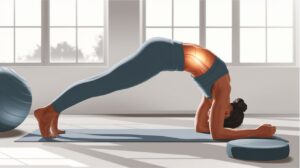

More than 1.3 billion people worldwide live with elevated blood pressure—a condition often called a silent threat because it typically produces no symptoms until it causes real damage. The encouraging news from recent cardiovascular research is clear: regular physical activity is one of the most effective, accessible tools for managing blood pressure and reducing the risk of complications like stroke and heart disease. The science here isn’t vague lifestyle advice; it points to specific, evidence-backed approaches that translate directly into daily habits.
What the Research Actually Shows
Recent studies published in journals including Frontiers in Public Health and Frontiers in Cardiovascular Medicine have examined how different forms of exercise affect blood pressure, and the findings point in a consistent direction. Isometric exercise—sustained muscle contraction without movement, such as a wall sit or a plank—performed at a moderate intensity has been shown to produce meaningful reductions in both systolic and diastolic blood pressure over consistent training. Separately, more familiar moderate-intensity activities like brisk walking also reduce blood pressure while improving blood glucose regulation, giving people multiple accessible paths to the same benefit depending on preference and fitness level. What unites these findings is that they don’t require extreme intensity or elite-level training—consistent, moderate effort is what drives the benefit.
Blood Pressure Variability: An Underappreciated Risk
One of the more interesting findings in recent cardiovascular research concerns blood pressure variability—the degree to which readings fluctuate throughout the day—rather than just the average or peak reading. Research increasingly shows that this variability independently predicts cardiovascular and cerebrovascular risk, somewhat separately from a single elevated reading. This matters because it shifts the picture of what “good” blood pressure management looks like: it’s not just about lowering a number, but about keeping it stable. Regular physical activity appears to help stabilize these fluctuations, offering a protective effect that persists across rest, sleep, and activity—not just during exercise itself.
How Much Exercise Is Actually Needed
A common and reasonable question is how much exercise is actually required to see benefit. The research points to modest, sustainable targets rather than demanding regimens: roughly 20 to 30 minutes of brisk walking most days, or resistance training two to three times weekly, is associated with measurable improvements. What matters most is personalization and consistency—an appropriate program depends on an individual’s cardiovascular status, age, fitness baseline, and any existing medical conditions, and the research consistently finds that steady, moderate adherence outperforms sporadic intense sessions. Monitoring effort with a simple heart rate target—around 60–70% of estimated maximum heart rate for most moderate activity—is a practical way to stay in an effective, safe range without needing specialized equipment.
Practical Steps to Start
- Start with walking: Around 30 minutes of moderate-paced walking most days is a well-supported, low-barrier starting point.
- Add resistance training: Two to three sessions weekly using light weights or bodyweight exercises complements aerobic activity well.
- Progress gradually: Sudden jumps to high intensity without a gradual buildup are best avoided, particularly for anyone with existing hypertension.
- Track effort, not just outcome: A simple heart rate target (60–70% of estimated max) helps keep sessions in an effective, sustainable range.
- Prioritize consistency over intensity: Regular, moderate activity over months delivers more reliable benefit than occasional hard efforts.
The Value of Home Monitoring
Beyond exercise itself, regularly tracking your own blood pressure at home adds real value, particularly given the variability research discussed above. A single reading taken during a doctor’s visit captures only a snapshot, and can be skewed by the stress of the clinical setting itself—a phenomenon well known as “white coat hypertension.” Home monitoring with a validated automatic cuff, taken at consistent times of day over days or weeks, gives a much more accurate picture of a person’s actual baseline and how it responds to lifestyle changes like a new exercise routine. Many people find that seeing tangible, measurable improvement in their own readings over weeks of consistent activity is itself a strong motivator to keep the habit going.
Can Exercise Replace Medication?
Exercise is a genuinely powerful tool for blood pressure management, but it is not a substitute for prescribed medication without medical guidance. Anyone with diagnosed hypertension should talk to their doctor before starting or significantly changing an exercise program, and should never stop or reduce medication independently. Under proper medical supervision, some people are able to reduce their medication dosage over time as their fitness and blood pressure control improve—but that is a decision that belongs with a physician, informed by regular monitoring, not something to pursue unsupervised.
The evidence is consistent: regular, moderate physical activity is one of the most effective non-pharmacological tools for protecting cardiovascular health and managing blood pressure over the long term. Whether it’s a walk in the cooler hours of the day or a simple home resistance routine, the accessibility of these interventions is part of what makes them so valuable—meaningful benefit doesn’t require a gym membership or hours of daily commitment, just consistency over time. Pairing that activity with occasional home monitoring gives a clear, motivating picture of progress—and, together with any medical care already in place, forms a well-rounded approach to long-term cardiovascular health.
Sources
- Effects of Isometric Training on Blood Pressure Regulation — Frontiers in Public Health
- Exercise and Blood Pressure Variability — Frontiers in Cardiovascular Medicine
- Role of Exercise in Cardiovascular Health — Frontiers in Cardiovascular Medicine
The information in this article is for educational purposes only and does not substitute professional medical advice. Consult your physician or cardiologist for personalized assessment and guidance.
The Active Arabia weekly
One article built on one named study, every week, in your inbox. No noise.
We never share your email. Unsubscribe in one click.