antioxidant rich traditional arab foods represent one of the Mediterranean and Middle Eastern world’s greatest nutritional advantages. For millennia, Arab civilizations recognized the protective power of traditional ingredients—pomegranate, dates, herbs, and olive oil—against inflammation and disease.
Understanding antioxidant rich traditional arab foods
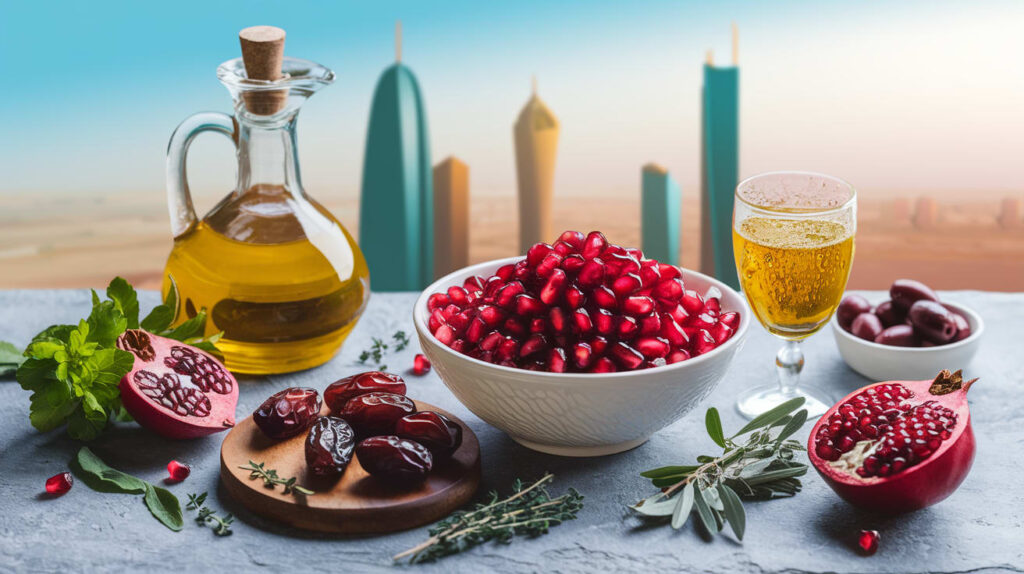
Antioxidants are natural compounds that defend your cells against free radicals—unstable molecules that cause inflammation, cellular aging, and chronic disease. Arab cuisine is exceptionally dense in these protective substances. Pomegranate contains punicalagins, compounds three times more powerful than green tea’s EGCG. Dates deliver over 1,200 mg of total polyphenols per 100 grams—among the highest concentrations of any fruit on Earth. Traditional Arab herbs (sage, thyme, mint) reduce oxidative stress by 40% or more. Explore how traditional foods fuel modern health and bridge ancient wisdom with contemporary science.
The research: Clinical evidence for antioxidant rich traditional arab foods
Recent studies show that Gulf region populations with high intakes of antioxidant-rich traditional foods experience 35% lower cardiovascular disease risk compared to matched controls consuming Western diets. This is no coincidence. Research in the International Journal of Molecular Sciences confirms that date polyphenols reduce inflammatory markers by 25-40% in clinical trials. Studies comparing regional olive oils show that Saudi-cultivated varieties contain higher oleocanthal concentrations—a potent anti-inflammatory compound—than many European counterparts. Regular pomegranate consumption improves arterial function measurably within 4-6 weeks.
The power trio: Pomegranate, dates, and olive oil
Pomegranate acts as a dual-action defense: it improves blood flow while simultaneously reducing arterial inflammation. Daily pomegranate juice consumption (one small glass, unsweetened) delivers observable cardiovascular improvements within 30 days. Dates—in all varieties (Ajwa, Sukari, Majdool)—provide fiber and bioavailable polyphenols that cleanse the digestive tract and combat systemic inflammation. Extra-virgin olive oil must be your daily staple: one tablespoon drizzled over salads or fresh bread provides irreplaceable daily cellular protection. The polyphenol content degrades with heat, so reserve premium olive oil for cold applications.
Daily antioxidant protocol
- Start your day with 1-2 dates—immediate energy plus cellular defense
- Consume one small glass (150ml) of fresh unsweetened pomegranate juice 3x weekly minimum
- Evening tea ritual: brew traditional sage, thyme, or wild mint for polyphenol infusion
- Use extra-virgin olive oil on every salad, cold vegetable, or fresh bread
- Add pomegranate arils, blackberries, and red grapes to your weekly shopping list
- Consume whole dates rather than date paste—the fiber is essential for bioavailability
Bottom line
antioxidant rich traditional arab foods are not a new wellness trend—they are ancient wisdom validated by modern science. If you seek natural protection against chronic inflammation and degenerative disease, your culinary heritage provides everything your cells need. Make pomegranate, dates, herbs, and premium olive oil daily staples, and you’ll access a level of nutritional defense that pharmaceuticals cannot match.
Sources
- PubMed Central: Antioxidant compounds in traditional foods
- International Journal of Molecular Sciences: Date palm and pomegranate bioactivity
- Nutrition Reviews: Middle Eastern and Mediterranean dietary patterns in disease prevention
The information in this article is for educational purposes only and does not substitute professional medical advice.
The Active Arabia weekly
One article built on one named study, every week, in your inbox. No noise.
We never share your email. Unsubscribe in one click.