
Anxiety management techniques have become essential tools in a fast-paced world where stress and uncertainty affect millions of people daily. Anxiety disorders are among the most common mental health conditions worldwide: the World Health Organization estimates that about 301 million people live with an anxiety disorder — roughly 4% of the planet — while only about one in four of those who need care (around 27.5%) receive any. Surveys consistently find that a large share of adults report meaningful anxiety about finances, work, and the future. The encouraging news is that anxiety is highly responsive to practice: a set of well-studied, evidence-based techniques can measurably reduce symptoms and improve quality of life, often without medication and always as a useful complement to professional care.
Understanding Anxiety: Why These Techniques Work
Anxiety is not a weakness or a character flaw — it is a normal biological response. When the brain perceives a threat, it triggers the release of stress hormones such as cortisol and adrenaline, priming the body to fight or flee. This system kept our ancestors alive. The problem in modern life is that the same alarm fires in situations that are not physically dangerous: before a meeting, ahead of a medical appointment, or in a crowded space. Anxiety management techniques work by teaching the body to switch off this unnecessary alarm and activate the parasympathetic nervous system, the branch responsible for rest and recovery. Understanding that anxiety is a physiological process — not a personal failing — is itself a first step, because it reframes the experience as something that can be regulated with skills rather than simply endured.
Modern Approaches to Anxiety Management
Recent developments are broadening how people address anxiety. Digital mental health tools — guided meditation apps, structured cognitive behavioral therapy programs delivered online, and mood-tracking platforms — have made evidence-based support more accessible than ever. Well-designed randomized trials of digital meditation and CBT programs have found meaningful reductions in stress and anxiety symptoms over a course of several weeks, showing that structured self-guided tools can be a valuable companion on the path to mental wellness, particularly for people who face cost or access barriers to in-person therapy.
Alongside technology, there is growing interest in the role of the vagus nerve, the long nerve that connects the brain to many organs and helps govern the body’s relaxation response. Slow breathing, humming, and certain gentle movement practices are thought to engage this pathway, which may partly explain why breath-based techniques have such an immediate calming effect. While the science here is still developing, the practical techniques it points toward — slow, controlled breathing above all — are simple, free, and backed by a long track record.
The Gut-Brain Connection in Reducing Anxiety
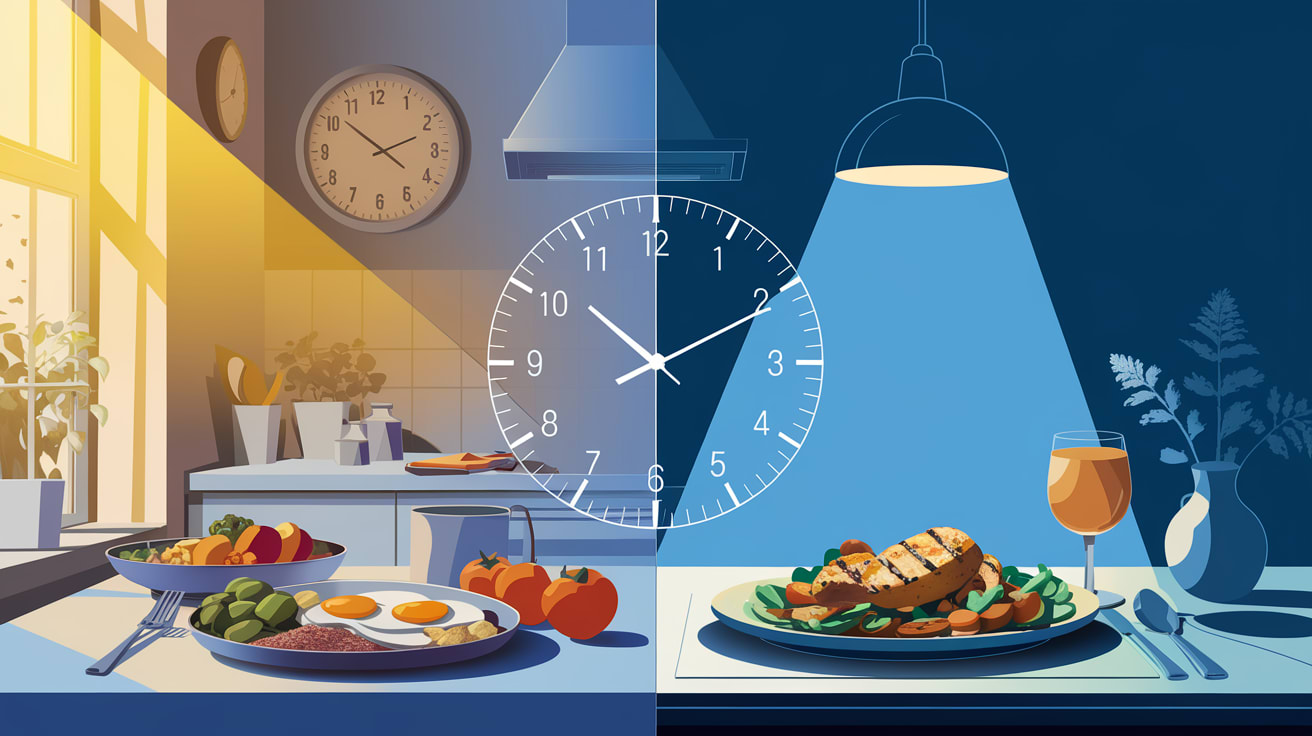
One of the most interesting areas of research is the relationship between gut health and mental wellbeing. The digestive system hosts trillions of bacteria that participate in producing and regulating chemicals involved in mood, including a large share of the body’s serotonin. This “gut-brain axis” is a two-way communication system, and a growing body of research suggests that the composition of the gut microbiome is associated with anxiety and stress levels. While personalized, microbiome-based nutrition is still an emerging field and should be viewed with healthy caution, the general principle is well supported: a diet that supports gut health tends to support mental health too. Fiber-rich vegetables, natural yogurt and other fermented foods, whole grains, and a varied plant-forward diet all help cultivate a healthier microbiome, which in turn supports steadier mood and clearer thinking. This is not a replacement for other techniques, but a complementary foundation.
Evidence-Based Techniques You Can Practice
Box breathing. Picture your breath tracing the four sides of a box: inhale for four seconds, hold for four, exhale for four, hold for four. Repeat for five cycles. This deliberately slow pattern activates the parasympathetic nervous system and can lower heart rate and a racing mind within a couple of minutes. It is discreet enough to use before a presentation or in a waiting room, which is part of why it is so widely taught.
Progressive muscle relaxation. Sitting or lying somewhere quiet, tense one muscle group — say, the shoulders — for about five seconds, then release and notice the contrast. Move through the body: neck, shoulders, arms, chest, abdomen, legs. Anxiety often lives in the body as tension we stop noticing; this technique interrupts that physical stress loop and is frequently used to improve sleep.
Cognitive reframing. When the mind produces a catastrophic thought — “I’m going to fail this presentation” — deliberately restate it in a more balanced, accurate form: “I’m prepared, and I have something worthwhile to share.” This is not forced positivity; it is shifting attention from an imagined threat to the present reality. Practiced consistently, this core skill of cognitive behavioral therapy gradually loosens the grip of anxious thought patterns.
Emotional Freedom Technique (EFT). This technique combines fingertip tapping on specific points of the face and body with mentally focusing on the source of anxiety. A 2025 systematic review pooled seven randomized controlled trials with 506 participants and found that every study comparing EFT to no intervention showed a statistically significant reduction in anxiety symptoms, with effects comparable to or better than breathing therapy and progressive muscle relaxation, and no meaningful difference from cognitive behavioral therapy. Most of these trials relied on self-reported outcomes without blinding, so the results warrant some caution, but EFT is simple, safe, and can be self-taught.
Practical Steps to Start Today
- Practice deep breathing: Use box breathing five times each morning and evening, and in any moment anxiety rises.
- Support your gut: Add fiber-rich and fermented foods — natural yogurt, vegetables, whole grains — to your daily meals.
- Move your body: Any activity you enjoy for 20–30 minutes daily — walking, swimming, cycling — reliably lowers anxiety.
- Protect your sleep: Aim for 7–9 hours; poor sleep and anxiety feed each other, and improving one improves the other.
- Seek professional support: If anxiety significantly disrupts daily life, speak with a mental health professional. These techniques complement treatment; they don’t replace it when symptoms are severe.
A Realistic Four-Week Start
Building these habits works best gradually. In week one, focus only on box breathing until it becomes automatic. In week two, add progressive muscle relaxation a few times a week, ideally before bed. In week three, begin cognitive reframing — write down three anxious thoughts and rework each into a balanced version. From week four onward, combine the techniques and layer in daily movement and a gut-supportive diet. Most people notice some calm from breathing within days; a deeper shift in how anxiety affects the day usually emerges over six to eight weeks of consistent practice. Progress is rarely linear, and that is normal — the goal is a durable set of skills, not perfection.
Sources
- World Health Organization — Anxiety Disorders
- American Psychological Association — Anxiety
- Digital Meditation to Target Employee Stress: A Randomized Clinical Trial (JAMA Network Open, 2025)
- Emotional Freedom Techniques for Anxiety Disorders: A Systematic Review (Healthcare, 2025)
The information in this article is for educational purposes only and does not substitute professional medical advice. If anxiety significantly affects your daily life, please consult a qualified mental health professional.
The Active Arabia weekly
One article built on one named study, every week, in your inbox. No noise.
We never share your email. Unsubscribe in one click.