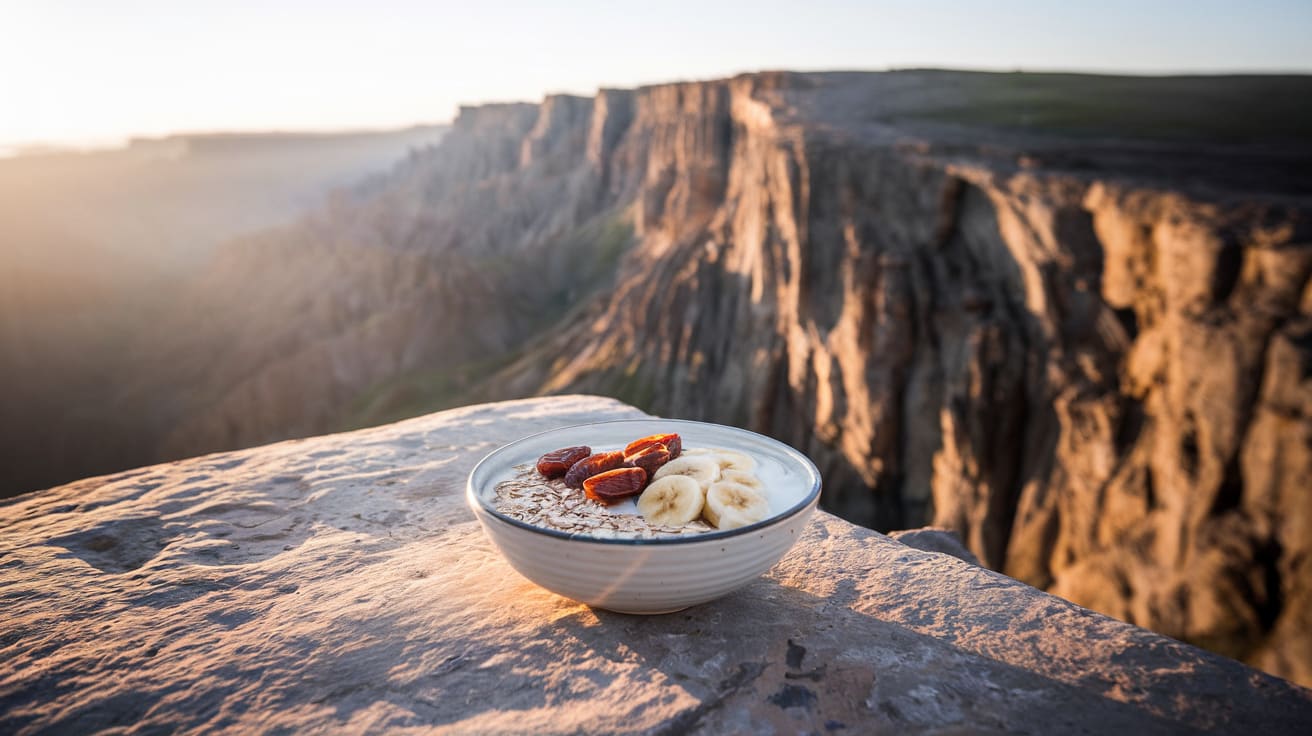
The suhoor nutrition ramadan meal determines energy levels and digestive comfort during long fasting hours. A recent study conducted at An-Najah National University in Palestine and published in BMC Public Health in 2026 examined the habits of 696 university students during Ramadan. The results revealed that suhoor composition and timing directly affect gastrointestinal symptoms and overall fasting quality.
The Study: Who Participated and What Did Researchers Measure?
The study included 696 university students, with 69.4% female and 30.6% male participants, mean age 20.6 ± 1.7 years. Researchers used the Gastrointestinal Symptom Rating Scale (GSRS), a 15-item questionnaire measuring five symptoms: reflux, abdominal pain, diarrhea, constipation, and bloating, on a 1-7 scale.
The mean total GSRS score was 2.07 ± 0.99, indicating generally mild GI symptoms overall. However, the study identified specific factors that increase symptom severity, particularly related to suhoor composition and timing.
Suhoor Composition: What Do Students Actually Eat?
The results showed that 52.2% of participants eat suhoor “sometimes” only, while 22.8% always eat it, and 25% don’t eat it regularly. For those who do eat suhoor (609 students), the most common components were:
- Animal-based protein: 89% of participants included animal protein (meat, chicken, eggs, dairy)
- Starchy foods: 87% consumed starchy foods (bread, rice, potatoes)
- Processed meats: Only 25.3% (such as deli meats and sausages)
- Fruits: Only 16.1% added fruits to their meal
These numbers reveal a concerning pattern: most students rely heavily on animal protein and heavy starches, while missing the nutritional diversity important for blood sugar stability and sustained energy, such as fruits, vegetables, and fiber.
Suhoor Timing and Its Effect on Digestion
An important finding was that 62.2% of participants eat suhoor in the last hour before dawn prayer, while 17% eat it two or more hours before. Researchers found no statistically significant difference in GI symptoms between the two groups, but very late timing may reduce the opportunity for adequate digestion before fasting begins.
More important than timing is composition. The study found that plant-based protein at suhoor was associated with increased reflux symptoms (p = 0.022), while bread consumption at Iftar was associated with increased symptoms across five of six digestive measures (p < 0.05). This suggests that carbohydrate quality and protein type have a greater impact than meal timing alone.
Other Factors Affecting Digestive Comfort
Suhoor wasn’t the only factor. The study revealed several other dietary and behavioral influences:
- Starting Iftar with dates and water: 54.7% of participants, associated with lower reflux scores compared to those starting with dates alone
- Soup consumption at Iftar: 81.3%, associated with slight increases in abdominal pain and indigestion
- Kibbeh and fried foods: 24.3% ate kibbeh, associated with increases in all GI symptoms
- Ramadan sweets: 73.7% consume them regularly, especially after Taraweeh prayer, associated with increased reflux and constipation
- Spices and seasonings: 60.2% add them sometimes, associated with increased reflux and diarrhea
What Does This Mean for Fasters in Saudi Arabia and the Gulf?
Although the study was conducted on Palestinian students, its results apply to fasters in Saudi Arabia and Gulf countries for several reasons:
- Longer fasting hours: In Saudi Arabia, fasting can reach 14-16 hours in summer, making suhoor quality even more critical
- High temperatures: Increase fluid and salt loss, requiring suhoor rich in potassium and magnesium
- Similar dietary patterns: Reliance on animal protein and refined starches is common in the region
Therefore, suhoor in the Gulf should focus on:
- Easily digestible protein (Greek yogurt, boiled eggs, low-fat cheese)
- Complex carbohydrates rich in fiber (oats, whole wheat bread, sweet potatoes)
- Potassium-rich fruits (bananas, dates, avocados) to compensate for salt loss
- Adequate hydration (2-3 cups of water + water-rich foods like cucumber and watermelon)
Study Limitations and What It Didn’t Tell Us
It’s important to note the study’s limitations:
- Cross-sectional design: Cannot prove causation, only association
- Self-reporting: Reliance on participants’ memory in describing their dietary habits
- Specific sample: Young university students (18-28 years); results may differ for older adults or those with chronic diseases
- Did not measure energy levels: The study focused only on GI symptoms, not energy levels or physical performance during the day
Nevertheless, this remains one of the largest recent studies examining the relationship between Ramadan habits and digestive health, providing a practical starting point for improving suhoor quality.
Practical Summary: How to Improve Your Suhoor Nutrition Ramadan Meal
Based on the study results, here are practical recommendations:
- Reduce heavy animal protein: Replace fatty meats with yogurt, eggs, or low-fat cheese
- Add fiber: Oats, fruits, and vegetables slow digestion and provide sustained energy
- Avoid fried foods at suhoor: Kibbeh and fried items increase indigestion and reflux
- Drink water gradually: 2-3 cups in stages, not a large quantity at once
- Eat suhoor 60-90 minutes before dawn: To give the stomach time for initial digestion
- Don’t skip suhoor: 25% of students in the study did so, making fasting harder and affecting concentration
You can also read our previous article on Ramadan Fasting Muscle Health: What 45 Older Men Showed to understand how fasting affects muscle mass and how to preserve it.
For more Ramadan nutrition tips, browse our Healthy Nutrition section.
Sources
- Al-Amouri F, Salah DA, Al-Mohor S, et al. “Gastrointestinal symptoms and eating patterns during Ramadan fasting among university students in Palestine: a cross-sectional study.” BMC Public Health. 2026;26:2047. doi:10.1186/s12889-026-27370-9
- Bougrine H, Salem A, Nasser N, et al. “Ramadan Fasting and Short-Term Maximal Physical Performance: Searching for Optimal Timing of the Last Meal ‘Suhoor’ in Female Pre-University Handball Players.” Eur J Investig Health Psychol Educ. 2023;13(10):2160-2178. doi:10.3390/ejihpe13100152
Disclaimer: This information is for educational purposes only and does not replace consultation with a doctor or nutritionist, especially for people with chronic diseases or digestive problems.
The Active Arabia weekly
One article built on one named study, every week, in your inbox. No noise.
We never share your email. Unsubscribe in one click.