
Riyadh, Jeddah and Dammam were built for cars, air-conditioning and long sitting, and the health cost shows up in national statistics on inactivity and metabolic disease. The encouraging news from the last five years of accelerometer research is how small the effective dose is: the amount of daily movement that neutralises long sitting has fallen from 'an hour' to roughly 22 to 40 minutes, and breaking it into short walks beats one long session for blood sugar. This hub gathers that evidence and translates it for an indoor-first life: walking after meals, bout length, stairs, what a 'step' is worth, and how to get the benefit when outdoor walking is only sensible before 7 am.
What the research says
The accelerometer era has rewritten the dose. A pooled analysis behind daily healthy movement found that the amount of moderate activity needed to cancel the mortality risk of long sitting has fallen from the old “one hour” to roughly 22 minutes a day, and the step-count studies put the steepest benefit between 4,000 and 7,500 steps, well short of the 10,000 that was never evidence-based. Timing matters as much as volume: a 2026 meta-analysis of 15 trials found that walking for ten minutes after meals lowers post-meal glucose, insulin and triglycerides more than the same walk taken at another time, and three-minute movement breaks every hour were associated with a 30% lower mortality risk in cohort data. The cost of not moving is equally specific: a study of 22,000 women found 9.5 hours of daily sitting raised cancer risk by 6%, and the Lancet’s 2024 global estimate counted 1.8 billion adults below the minimum activity level, with the Gulf among the worst regions.
Walking does more than protect the heart. A 2024 meta-analysis found 30 minutes of daily walking cut depression scores by about 30%, Japanese forest-bathing trials measured lower cortisol after walking in green space, and the cardiovascular benefit of continuous outdoor walks is set out in outdoor walking for a stronger heart.
Why the Gulf is different
Riyadh, Jeddah and Dammam were planned for the car. Destinations are far apart, pavements are discontinuous, and from May to September the outdoor temperature makes a midday walk unsafe rather than merely unpleasant. The result shows in the data: Saudi Arabia reports among the lowest adult step counts in international comparisons, and the national cardiovascular statistics reflect it. The indoor culture compounds the problem: offices, malls and majlis all involve hours of continuous sitting, usually on low seating that worsens posture, which is why posture and spinal health appears in this pillar. The good news is that the effective dose is small enough to fit into an indoor-first life, provided it is scheduled rather than left to chance.
A practical plan
- Walk after the two largest meals. Ten minutes, starting within 15 minutes of finishing. Indoors around the house or office is fine; the glucose effect does not need fresh air.
- Break every hour of sitting. Two to three minutes of standing, stairs or walking to refill water. Set a timer for the first fortnight; after that it becomes habit.
- Take the one outdoor walk when it is possible. In summer that means before 7 am or after 9 pm; in winter, any time. Aim for 20–30 continuous minutes, which is where the cardiovascular benefit concentrates.
- Use a step floor, not a step target. 5,000 steps a day is the realistic floor for an office worker in Riyadh; anything above 7,500 is a bonus, not a requirement.
- Stairs over lifts, always. Four to six flights a day is enough to register in fitness data, and it is the one form of vigorous activity that needs no equipment or weather.
- Move the majlis. A short walk with guests after the meal is culturally easy to introduce and solves the post-meal problem for everyone at once.
Common mistakes
- Doing one long gym session three times a week and sitting the remaining 165 hours. Exercise does not cancel sitting; movement throughout the day does.
- Waiting for the weather. The indoor options above provide most of the metabolic benefit.
- Walking only on a treadmill at the same slow pace; adding a few minutes of brisk walking, where speaking becomes slightly harder, is what moves heart fitness.
- Ignoring the signals of too much sitting on long drives and flights; blood clots are a real risk even for fit people on the Riyadh–Jeddah drive or an overnight flight.
When to seek medical help
Chest pain or pressure on exertion, breathlessness out of proportion to effort, or dizziness when standing up to walk are reasons to see a doctor before increasing activity. A swollen, painful calf after a long journey needs same-day assessment. People with diabetes who start walking after meals should expect lower glucose readings and may need their medication adjusted; discuss that with the prescribing doctor rather than stopping the walks.
Articles in this pillar
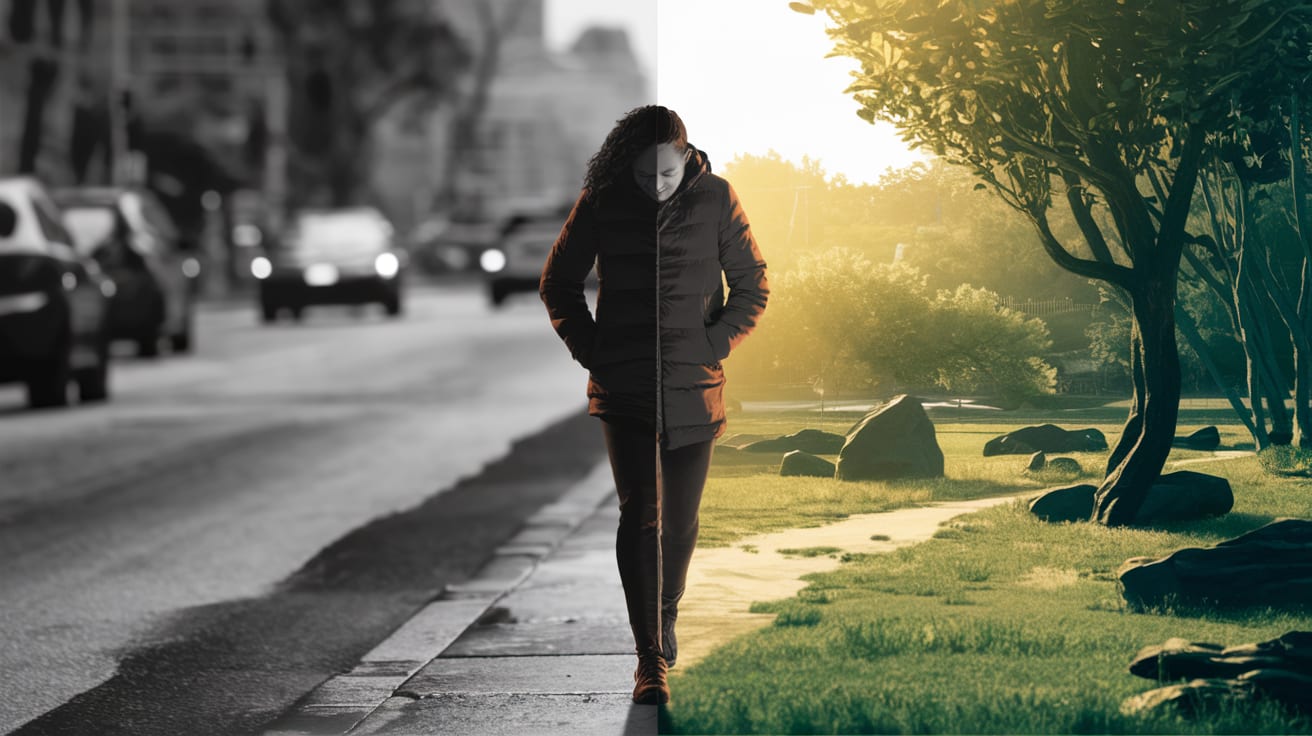 Walking Reduces Depression 30%: 2024 Study
 Physical Inactivity Global Crisis: 1.8 Billion Adults at Risk, 2024 Lancet Study Warns
 Walking After Meals: 2026 Meta-Analysis of 15 Studies Confirms Short Post-Meal Walks Significantly Lower Blood Sugar
 Prolonged Sitting Cancer Risk: How 9.5 Hours Daily May Raise Your Chances, According to New Research
 Nature Walking Stress Reduction: What Japanese Forest Bathing Research Reveals About Cortisol
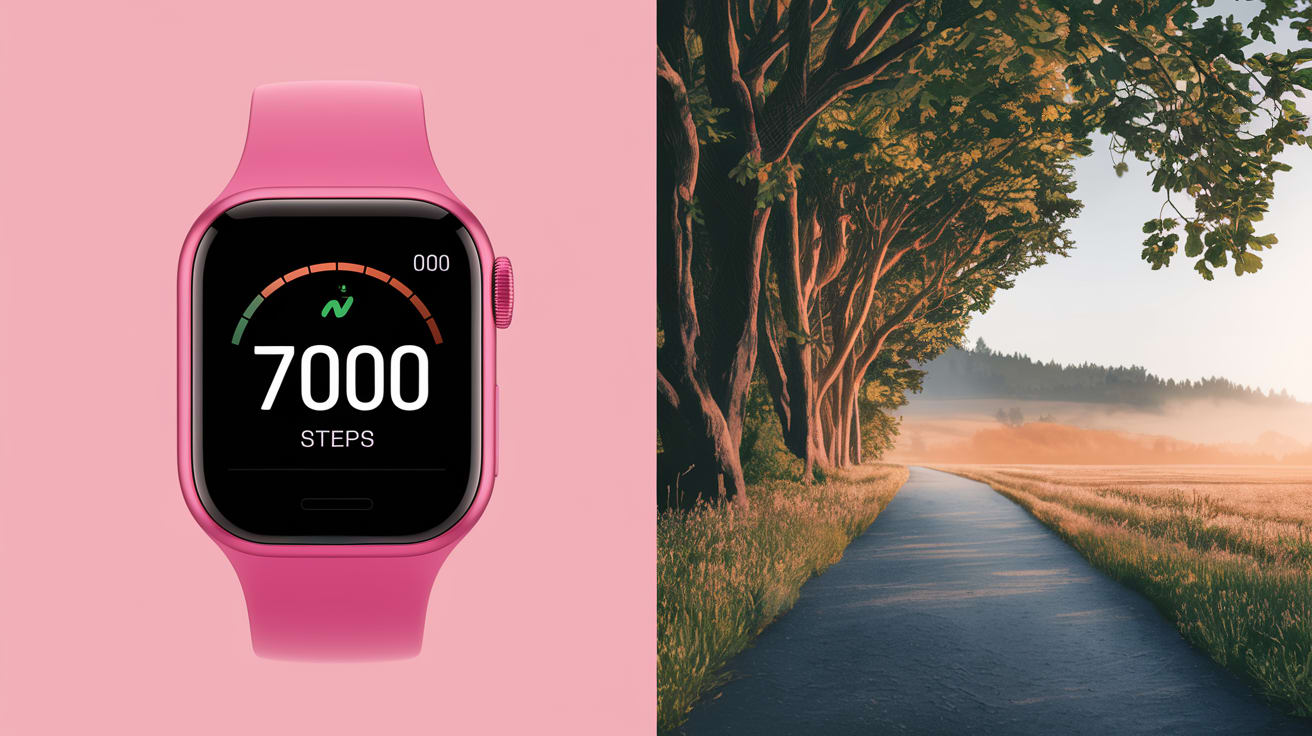 Daily Steps Mortality Prevention: What Science Reveals About Walking More
 Mastering daily movement breaks: Transform your health in 3 minutes
 Why blood clots are a hidden risk for athletes
 Correct Posture and Spinal Health: Your Complete Workplace Wellness Guide
 Daily Healthy Movement: How Little It Takes to Undo a Day of Sitting
 Healthy Lifestyle and Prevention: Practical Steps for 2026
 Physical Activity and Heart Health: Surprising Statistics
 Walking Outdoor Heart Health Benefits: What Two 2025 Studies Actually Measured