Sitting for long hours may be doing more than just making you stiff — it could be raising your cancer risk. A major new study of nearly 22,000 women found that those who sat more had a significantly higher chance of developing cancer, especially cancers linked to physical inactivity. The research, published in Cancer Causes & Control in July 2025, used precise accelerometer measurements instead of self-reports, giving us a clearer picture of how prolonged sitting cancer risk actually plays out in real life.
Understanding Prolonged Sitting Cancer Risk: 9.5 Hours a Day and a 6% Increase
The Women’s Health Accelerometry Collaboration tracked 22,097 postmenopausal women (average age 73) for about eight years. These women wore hip accelerometers that measured their actual sitting time — not what they remembered or guessed, but what they actually did.
The results were striking. On average, these women sat for 567 minutes a day — that’s about 9.5 hours. For every standard deviation increase in sitting time, cancer risk went up by 6%. When researchers looked specifically at 13 types of cancer known to be related to physical activity (like breast, colon, and endometrial cancer), the risk jumped to 10%.
“Sedentary behavior was associated with increased cancer risk, particularly for physical activity-related cancers,” the researchers concluded.
Why Sitting Bout Duration Matters Too
Here’s where it gets interesting. It’s not just how much you sit — it’s how you sit. The study found that longer, uninterrupted sitting bouts were also linked to higher cancer risk. On average, the women’s sitting bouts lasted about 13 minutes each.
Each standard deviation increase in bout duration raised cancer risk by 5% overall and 8% for those 13 activity-related cancers. This suggests that breaking up your sitting time throughout the day might matter just as much as reducing your total sitting time.
Think of it this way: sitting for nine hours straight is probably worse than sitting for nine hours spread across the day with regular movement breaks.
The Gulf Context: Why This Hits Home in Saudi Arabia
If you live in the Gulf, this research should grab your attention. Saudi Arabia, like many wealthy nations, has seen a dramatic shift toward sedentary lifestyles. Air conditioning, car-dependent cities, and desk jobs mean many people sit for most of the day.
A 2020 study published in the International Journal of Environmental Research and Public Health found that Saudi adults reported sitting for an average of 7.5 hours daily — and that was before the pandemic pushed even more activities online. Office workers, students, and retirees may easily exceed the 9.5 hours seen in the American study.
The hot climate doesn’t help. For much of the year, outdoor activity isn’t practical, which means more time indoors — and often, more time sitting.
Not All Sitting Is Equal — Or Is It?
One important caveat: this study looked at postmenopausal women, mostly in their 70s. We can’t assume the exact same numbers apply to younger people or men. However, previous research has linked prolonged sitting to higher risks of heart disease, type 2 diabetes, and early death across all age groups.
Another limitation: the study measured sitting time at one point and then tracked cancer outcomes over eight years. People’s habits can change. Someone who sat a lot in 2015 might have started exercising more by 2018. The researchers adjusted for physical activity levels, but they couldn’t capture every shift in behavior.
Still, the fact that this study used accelerometers instead of questionnaires gives it more credibility. Self-reported sitting time is notoriously inaccurate — people tend to underestimate how much they sit.
What You Can Do Today
You don’t need to quit your desk job or buy a standing desk (though those can help). The key is to interrupt long sitting stretches. Here are practical steps:
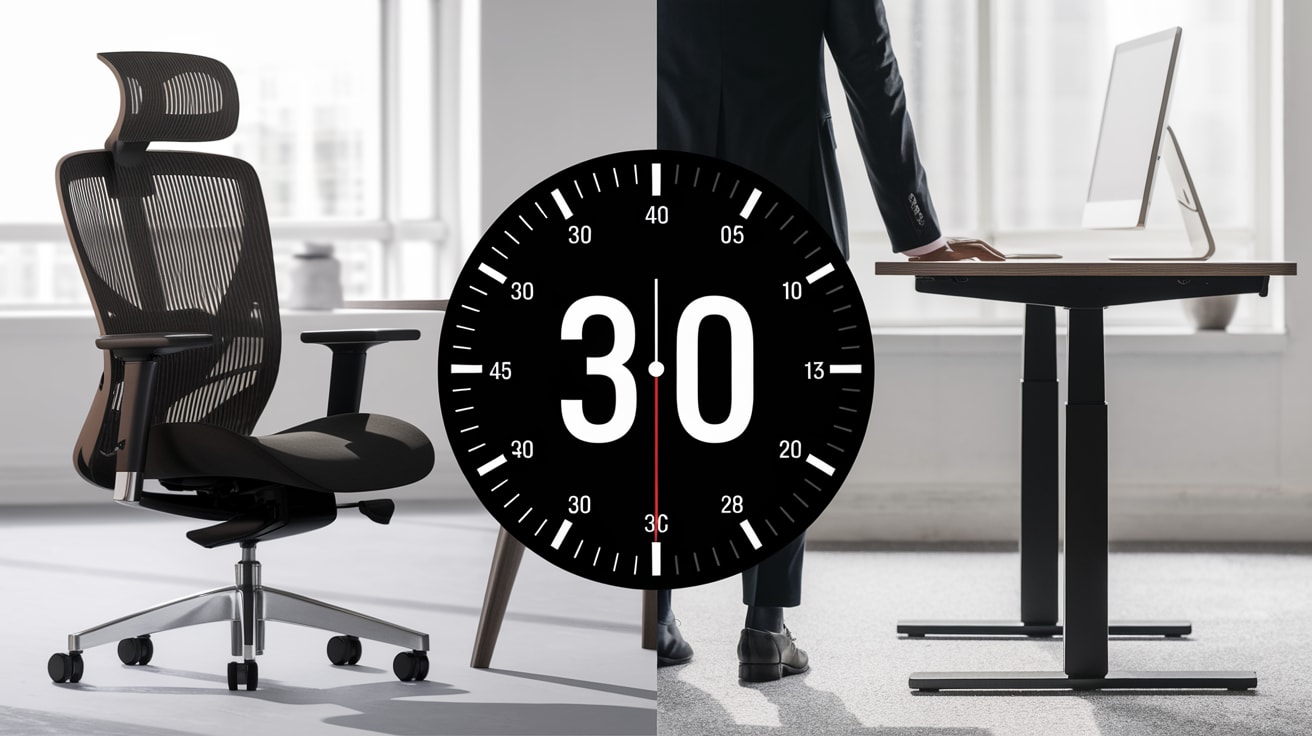
- Set a timer. Every 30 minutes, stand up and move for 2-3 minutes. Walk to the kitchen, stretch, do a few squats — anything that breaks the sitting pattern.
- Walking meetings. If you have a phone call or a one-on-one meeting, take it while walking. Even pacing around your office counts.
- Active commuting. Park farther away, take the stairs, or get off the bus one stop early. These small additions add up.
- TV time = movement time. During commercial breaks or between episodes, get up. Fold laundry, do push-ups, walk around the house.
- Track your sitting. Some smartwatches now measure sitting time. If yours does, use it. Aim for under 8 hours total, with no single sitting stretch longer than 30-60 minutes.
Practical Takeaways
- Nearly 22,000 women were tracked for eight years using precise accelerometer measurements, not self-reports.
- Average sitting time was 9.5 hours per day — and each increase raised cancer risk by 6% overall, 10% for activity-related cancers.
- Longer, uninterrupted sitting bouts also raised risk, suggesting that breaking up sitting time matters.
- Gulf residents likely sit even more than the study participants due to climate and car-dependent lifestyles.
- Simple changes — standing every 30 minutes, walking meetings, active breaks during TV time — can reduce your risk.
- The study focused on older women, but previous research links prolonged sitting to health risks across all demographics.
Related on Active Arabia: how little daily movement it takes to offset sitting and the health statistics everyone should know in 2026.
Sources
- Hyde ET, Evenson KR, Howard AG, et al. Sitting time and risk of cancer incidence and cancer mortality in postmenopausal women: the Women’s Health Accelerometry Collaboration. Cancer Causes & Control. 2025;36(11):1417-1430. doi:10.1007/s10552-025-02024-0
- International Journal of Environmental Research and Public Health. Sedentary behavior and physical activity among Saudi adults. 2020.
Disclaimer
This article is for educational purposes only and does not constitute medical advice. The studies cited suggest associations between sitting time and cancer risk, but they do not prove that sitting causes cancer. Always consult a healthcare professional before making significant changes to your activity level or lifestyle.
The Active Arabia weekly
One article built on one named study, every week, in your inbox. No noise.
We never share your email. Unsubscribe in one click.