Heat acclimation athletes who completed five weeks of training in extreme heat extended their time to exhaustion in 40°C by 15 minutes, increased sweat rate by 0.44 liters per hour, and reduced sweat sodium by 14.1 mmol/L. But here’s the catch: all these physiological adaptations vanished within two weeks of stopping. A 2024 study in Temperature reveals the precise time-course of benefits—and their rapid decay—for athletes training in extreme heat.
Heat Acclimation Athletes: What Happens to Your Body
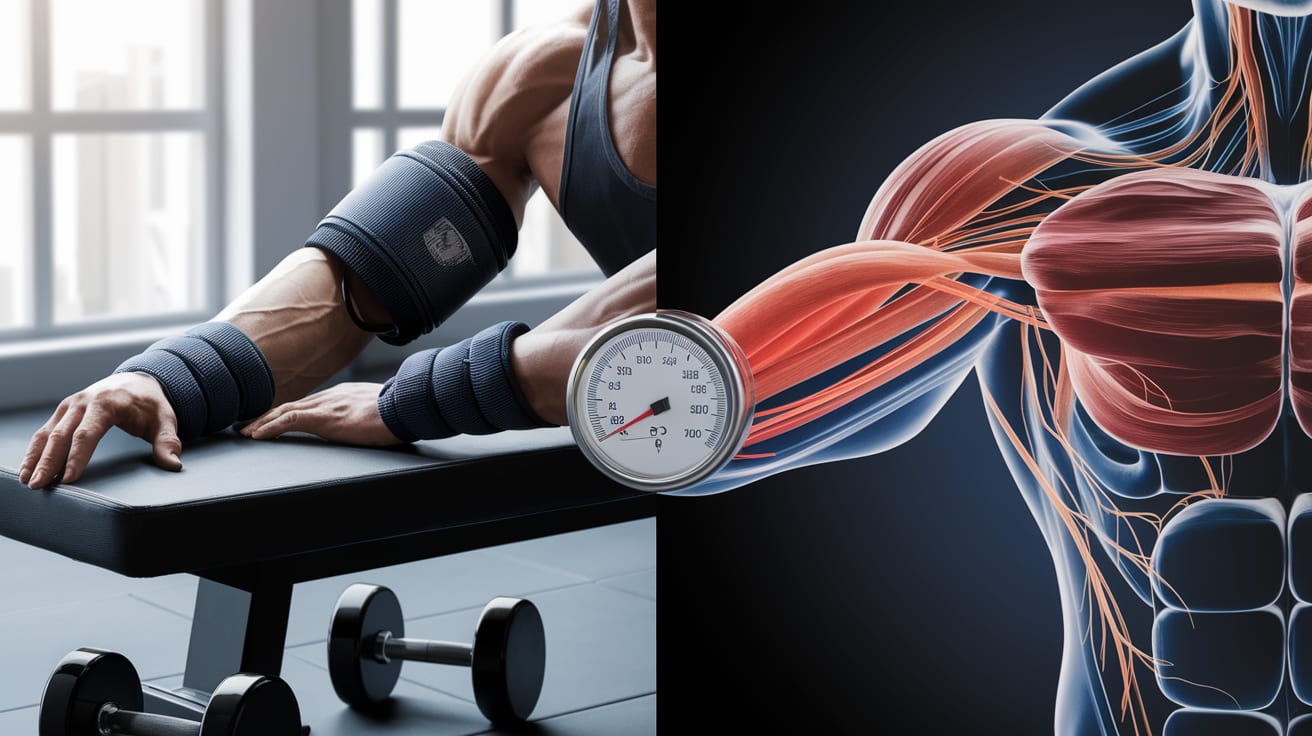
When you exercise repeatedly in hot conditions, your body undergoes a cascade of physiological changes. Sweat glands become more active, producing more sweat earlier in exercise. Blood plasma volume expands, improving cardiovascular stability. Core temperature rises more slowly. These adaptations don’t just help you cope with heat—they fundamentally change how your body handles physical stress.
The study by Cubel and colleagues at the University of Copenhagen tracked 20 elite male cyclists through a rigorous five-week heat acclimation protocol. The intervention group completed six one-hour training sessions per week in 40°C conditions, while a control group trained in cool conditions. The researchers measured everything from sweat composition to hemoglobin mass, testing participants weekly during the acclimation period and again two weeks after training ended.
The results showed that sudomotor adaptations—changes in sweating—materialized quickly, within the first three weeks. Sweat rate increased significantly, and sweat sodium concentration dropped, meaning the body became more efficient at cooling itself while conserving electrolytes. These changes are critical for athletes competing in hot climates, from Middle Eastern summers to outdoor tournaments in tropical regions.
The Hemoglobin Mass Surprise
Perhaps the most striking finding was the increase in total hemoglobin mass—the oxygen-carrying capacity of blood. After three weeks of heat acclimation, participants gained 30 grams of hemoglobin mass, a 3% increase. By week five, this grew to 40 grams, or 4%. For context, this is comparable to the gains athletes seek through altitude training, which typically requires weeks at elevation.
Hemoglobin mass matters because it directly affects VO2 max and endurance performance. More hemoglobin means more oxygen delivered to working muscles. The study found that peak power output increased by 12 watts following heat acclimation, though maximal oxygen uptake did not change significantly. This suggests that heat acclimation improves performance through multiple pathways, not just oxygen delivery.
For athletes in Saudi Arabia and the Gulf, where summer temperatures regularly exceed 45°C, these findings have practical implications. Training in heat—whether outdoors in early morning or in controlled indoor environments—can trigger adaptations that improve both heat tolerance and overall performance. Our comprehensive guide to training in extreme heat explores these strategies in detail.
The Decay Problem: Use It or Lose It
The study’s most sobering finding came at the two-week decay test. After participants stopped heat acclimation training for just 14 days, nearly all the physiological gains disappeared. Sweat rate returned to pre-training levels. Hemoglobin mass dropped back to baseline. Time to exhaustion in heat fell to where it started.
This rapid decay has important implications for periodization. Athletes cannot simply complete a heat acclimation block weeks before competition and expect the benefits to persist. The adaptations are real but temporary, requiring maintenance training to sustain. For a summer competition season in the Gulf, this means heat acclimation should be integrated into regular training rather than treated as a one-time preparation.
The decay pattern also suggests that the body prioritizes efficiency. Maintaining elevated hemoglobin mass and enhanced sweating capacity requires energy and physiological resources. When the heat stimulus is removed, the body downregulates these systems to conserve resources. This is evolutionarily sensible but practically frustrating for athletes.
Practical Applications for Gulf Athletes
So how do you apply these findings? First, recognize that heat acclimation is not optional for athletes competing in hot conditions—it’s a physiological necessity. The 15-minute improvement in time to exhaustion represents a massive performance difference, particularly in endurance events lasting 60-90 minutes.
Second, plan for maintenance. The study used six one-hour sessions per week, which is a significant time commitment. Athletes might not need this volume to maintain adaptations, but they do need ongoing heat exposure. Training outdoors during cooler parts of the day, using heated indoor environments, or incorporating sauna sessions post-training can help sustain adaptations with lower time costs.
Third, monitor your hydration strategy. The reduction in sweat sodium concentration means that heat-acclimated athletes lose less sodium in sweat. This affects how much and what type of electrolyte replacement is needed during and after exercise. Research on hydration during heat exercise shows that the 2% body mass dehydration threshold still applies, but individual needs vary based on acclimation status.
Limitations and What We Don’t Know
The study had important limitations. It included only male athletes, so we cannot assume the same time-course applies to female athletes. Hormonal variations across the menstrual cycle affect thermoregulation and fluid balance, potentially altering heat acclimation responses. Future research should address this gap.
The study also used a relatively small sample size (10 participants in the intervention group) and focused on elite cyclists. Recreational athletes, older athletes, or those with different training backgrounds might show different adaptation patterns. The 40°C test condition, while scientifically rigorous, exceeds typical training temperatures even in Gulf summers, where athletes more commonly face 35-42°C with varying humidity.
Finally, the study did not examine the combined effects of heat and humidity, which is the real-world challenge in coastal Gulf cities like Jeddah or Dubai. High humidity impairs sweat evaporation, reducing cooling efficiency even in heat-acclimated athletes. The interaction between acclimation status and humidity deserves further investigation.
Key Takeaways
- Five weeks of heat acclimation (six 1-hour sessions/week) improved time to exhaustion by 15 minutes in 40°C heat
- Sweat rate increased by 0.44 L/hour and sweat sodium decreased by 14.1 mmol/L, improving cooling efficiency
- Total hemoglobin mass increased by 4% (40 grams), comparable to altitude training gains
- All adaptations decayed within two weeks of stopping heat training—maintenance is essential
- Heat acclimation should be integrated into regular training cycles, not treated as pre-competition preparation
- Individual hydration strategies must account for acclimation status and local humidity conditions
Sources
- Cubel C, Fischer M, Stampe D, et al. “Time-course for onset and decay of physiological adaptations in endurance trained athletes undertaking prolonged heat acclimation training.” Temperature. 2024;11(4):350-362. doi:10.1080/23328940.2024.2383505
- Periard JD, Racinais S, Sawka MN. “Adaptation and recovery to prolonged heat exposure.” Comprehensive Physiology. 2015;5(4):1811-1838. doi:10.1002/cphy.c140052
- Racinais S, et al. “Thermoregulation and marathon running in the heat.” British Journal of Sports Medicine. 2015;49(18):1167-1168. doi:10.1136/bjsports-2015-095236
The Active Arabia weekly
One article built on one named study, every week, in your inbox. No noise.
We never share your email. Unsubscribe in one click.