Group exercise and loneliness are connected in powerful ways. Studies suggest that loneliness affects nearly one-quarter of adults, increasing depression risk by 26%. But research reveals that group exercise offers a dual solution: combining physical activity benefits with social connection to combat isolation.
The Scale of the Problem: Loneliness as a Silent Epidemic
According to the World Health Organization, social isolation and loneliness affect approximately 25% of people and are key risk factors for mental health conditions in later life. Data shows that 15% of adults aged 70 and over live with a mental disorder, most commonly anxiety or depression.
In Saudi Arabia, this problem is particularly acute among older adults living away from their families, or those who have retired and lost their sense of daily purpose. Loneliness affects not only mental health but also increases the risk of heart disease by 29% and dementia by 50%.
How Group Exercise Works on Two Levels
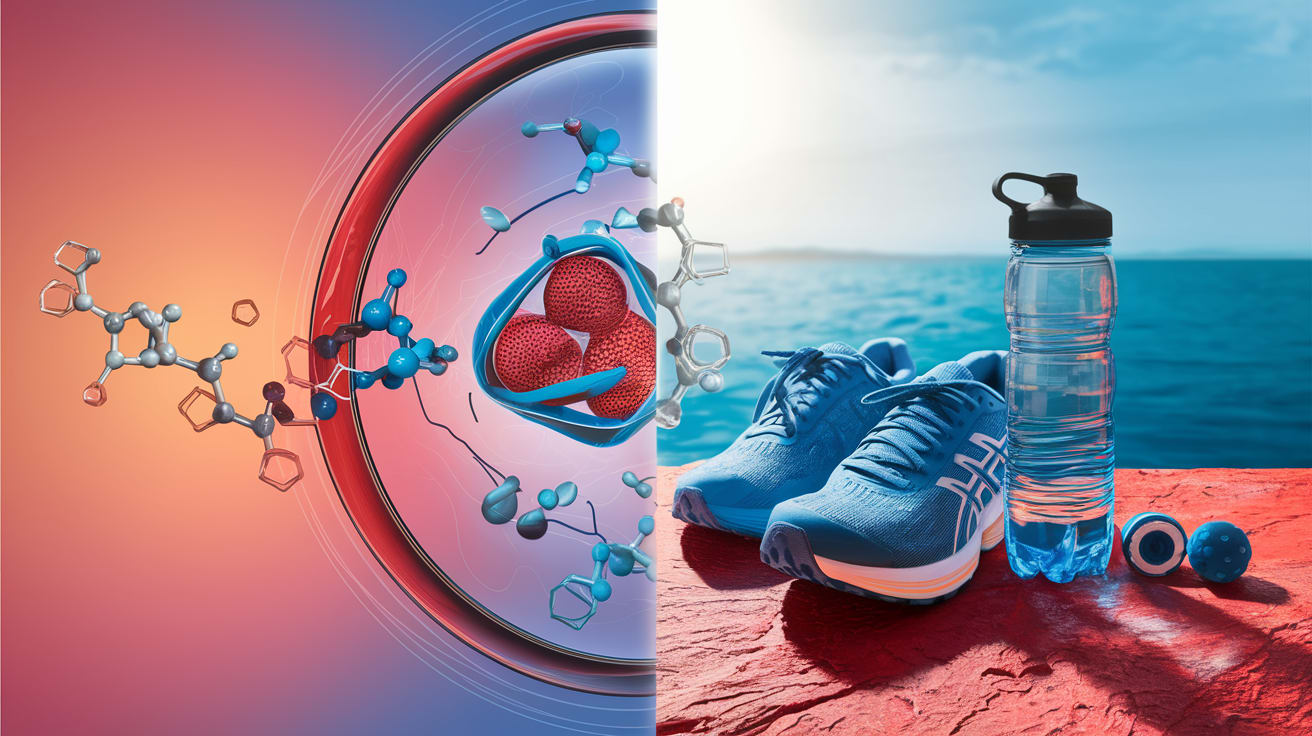
Group exercise is unique because it addresses two problems simultaneously. On one hand, physical activity releases endorphins and neurotrophic growth factors that support nerve cell growth in the hippocampus—the brain region responsible for mood regulation. On the other hand, social interaction during exercise creates meaningful bonds that foster a sense of belonging.
A study published in Health Psychology found that participants in group exercise programs experienced a 21% reduction in depression symptoms, compared to only 12% among those who exercised alone. The difference wasn’t in the amount of exercise, but in the presence of others.
The Evidence: Why Groups Work Better
Research from the University of Oxford found that people who exercise in groups develop social bonds faster and stronger than those who meet in other contexts. The reason? Synchronized movement releases endorphins in greater quantities, and these chemicals enhance feelings of trust and closeness.
Another study from the University of Michigan followed 2,500 adults for two years and found that those who participated in regular group activities (including group walking, yoga, or strength training) were 34% less likely to feel lonely, even after controlling for other factors like general health and income.
Types of Group Exercise Most Effective Against Loneliness
Not all group exercises are equal when it comes to fighting loneliness. Research suggests that activities requiring interaction and coordination between participants are most effective:
- Group walking: Simple and suitable for all ages, allows conversation while moving. In Riyadh, morning walking groups in King Abdullah Park have become a social phenomenon.
- Group yoga and meditation: Creates a calm environment for emotional sharing. Many centers in Jeddah and Dammam offer group classes.
- Group strength training: Gyms offering group classes provide an environment that encourages interaction and mutual support.
- Team sports: Recreational soccer, mini-basketball, or even light track and field create team spirit.
How to Start: Practical Tips
If you’re experiencing loneliness or know someone who is, here are practical steps to begin:
- Start small: You don’t need to join a large gym. Start with a small walking group in your neighborhood with neighbors or friends.
- Choose an activity you enjoy: Consistency matters more than intensity. If you don’t like running, don’t force yourself. Walking, swimming, or even dancing are all options.
- Make it a weekly habit: Research shows that regularity matters more than frequency. Three sessions per week for 30 minutes each is enough to start seeing improvement.
- Volunteer as a helper: If you’re already active, volunteer to help a beginner group. This creates a sense of purpose and connection.
- Use technology wisely: Apps like Strava or WhatsApp groups help you stay connected with the group between sessions.
Special Considerations for Saudi Culture
In Saudi society, there are unique challenges, especially for women, in accessing group exercise. But recent initiatives like women-only yoga classes, family walking groups in parks, and neighborhood sports programs provide culturally safe and acceptable opportunities.
Older adults also face barriers, but many health centers now offer tailored programs combining light exercise with social interaction. These programs not only combat loneliness but also improve balance and reduce fall risk by 30%.
Research Limitations and What We Still Need to Know
While the evidence is strong, most studies relied on self-reporting and may not apply to all age groups or cultures. More long-term research is needed to understand the sustained impact of group exercise on loneliness and mental health in the Arab context.
Also, group exercise is not a substitute for professional therapy for severe depression or chronic anxiety. But it is a powerful preventive tool that can be integrated with other treatments.
The Bottom Line
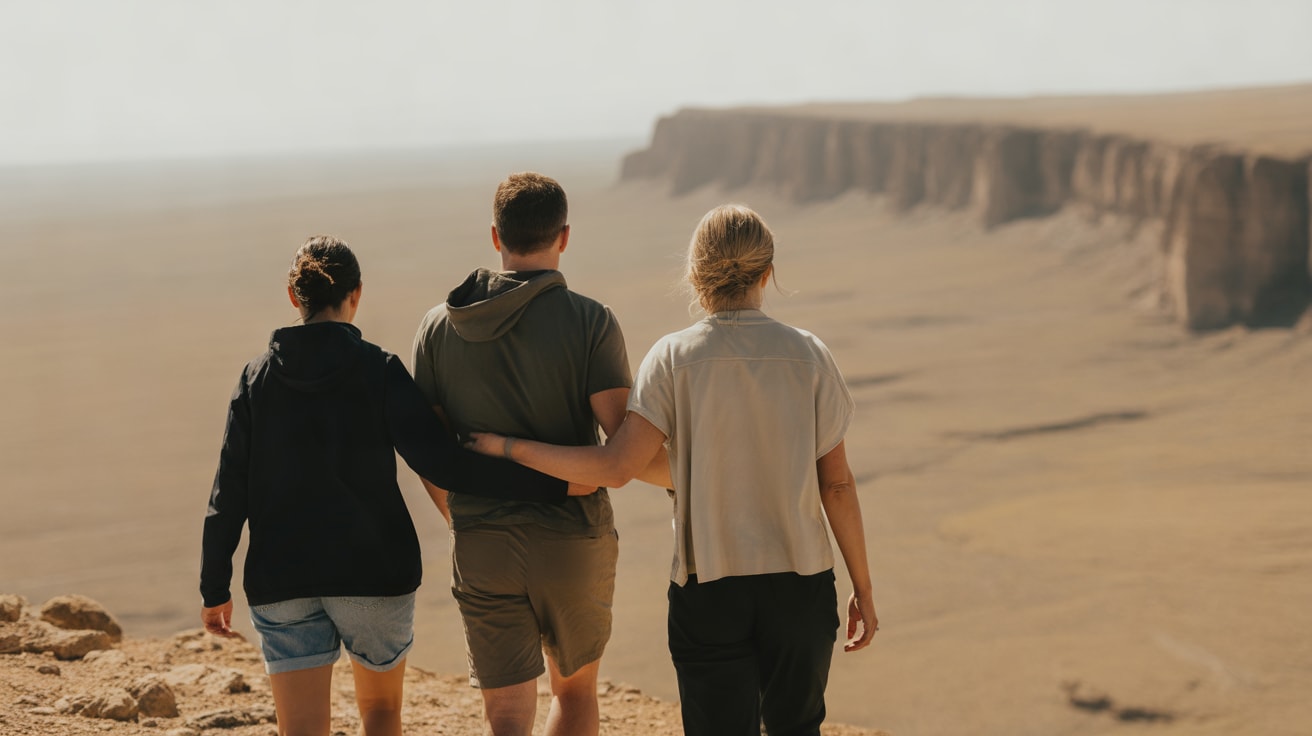
Loneliness isn’t just an annoying feeling—it’s a real health risk. But the solution may be simpler than we think: moving with others. Whether it’s a morning walk with neighbors, a weekly yoga class, or a small sports team, group exercise provides a double dose of healing: movement for the body, and connection for the soul.
In a world growing more isolated, perhaps the simplest solutions are the most powerful: go outside, move, and do it with others.
Sources
- World Health Organization. “Mental health of older adults.” WHO Fact Sheets, 2026. https://www.who.int/news-room/fact-sheets/detail/mental-health-of-older-adults
- Harvard Health Publishing. “Exercise is an all-natural treatment to fight depression.” Harvard Medical School, 2021. https://www.harvardhealth.org/mind-and-mood/exercise-is-an-all-natural-treatment-to-fight-depression
- WHO Commission on Social Connection. “From loneliness to social connection: charting a path to healthier societies.” World Health Organization, 2025. https://iris.who.int/handle/10665/381746
For more articles on mental health and movement, see our complete guide. For those interested in daily walking benefits, read our article on anxiety reduction.
The Active Arabia weekly
One article built on one named study, every week, in your inbox. No noise.
We never share your email. Unsubscribe in one click.