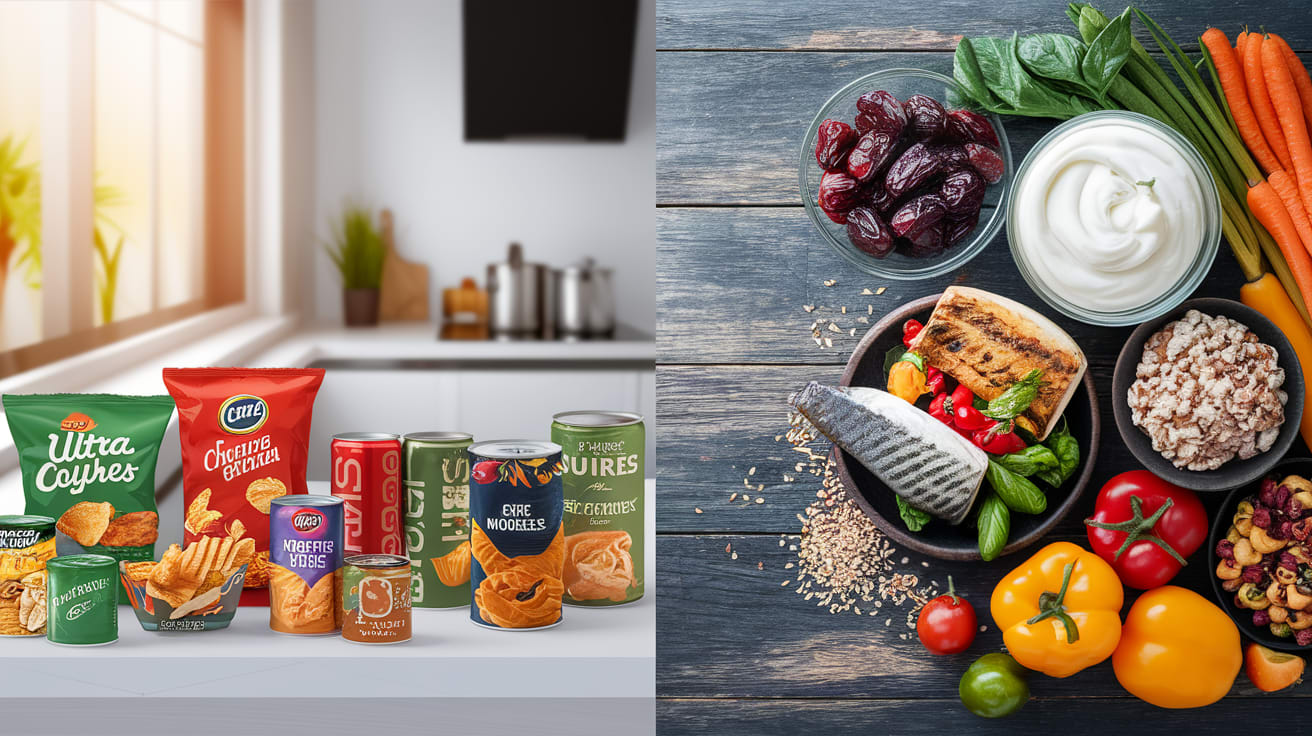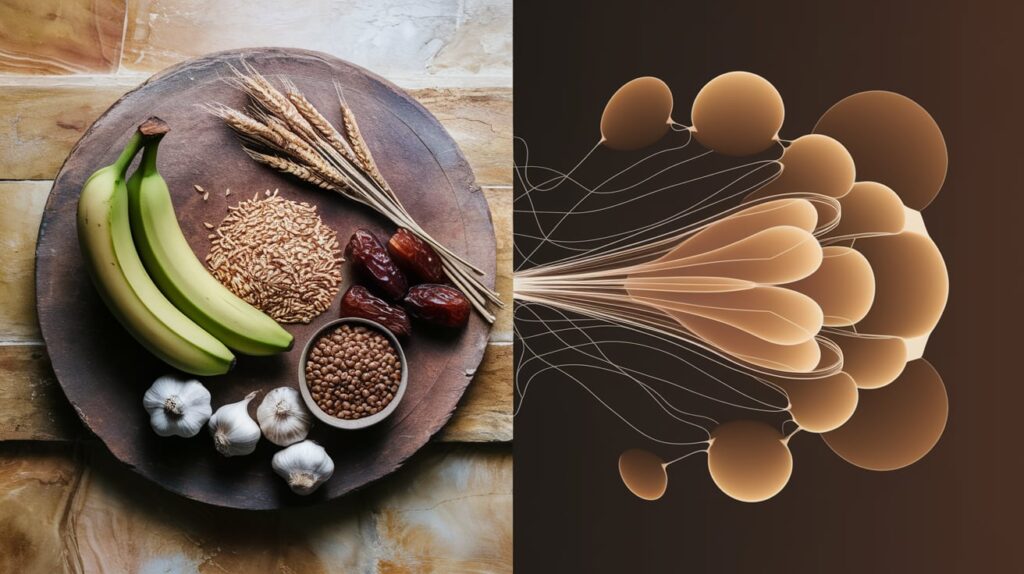
When it comes to dietary fiber gut health, new research reveals that eating more fiber does not benefit everyone equally — and your gut bacteria may be the reason. A 2025 study published in npj Biofilms and Microbiomes found that a person’s baseline gut bacteria composition determines how strongly they respond to fiber interventions, explaining why some people see no improvement despite following a high-fiber diet.
Why your gut bacteria decide if dietary fiber gut health improvements happen
The human intestine contains trillions of bacteria that play a central role in digesting food and producing important compounds like short-chain fatty acids (SCFAs). These bacteria vary dramatically from person to person, falling broadly into two community types: a Prevotella-rich community and a Bacteroides-rich community.
Dietary fiber serves as the primary fuel for beneficial gut bacteria, which ferment fiber into SCFAs such as butyrate, propionate, and acetate. These compounds protect the intestinal lining, regulate inflammation, and improve insulin sensitivity. However, different bacterial species have different capacities to ferment different types of fiber, which is exactly what the latest research confirmed.
The 2025 study: 48 adults, 6 weeks, a rigorous clinical trial
A research team led by Dr. Fabiana Hoffmann Sardá from the University of São Paulo conducted a double-blind, randomized, placebo-controlled pilot trial with 48 healthy adults. Participants were assigned to three groups: one consumed unripe banana flour (UBF) rich in resistant starch, another consumed inulin (a soluble fiber), and a third consumed maltodextrin as a placebo. The intervention lasted six weeks with three doses per week.
Researchers used 16S rRNA gene sequencing and PICRUSt functional prediction to analyze microbiome composition before and after the intervention, alongside fecal SCFA measurements, blood biochemistry, and gastrointestinal parameters. The results revealed a striking difference in response between participants.
Prevotella vs Bacteroides: what your gut type means for fiber
The analysis identified two distinct microbiota clusters at baseline. The first cluster was rich in Prevotella bacteria, commonly found in people who follow plant-rich, grain-heavy diets. The second cluster was rich in Bacteroides bacteria, more common in people following Western-style diets.
The key finding was that only participants in the Prevotella cluster who consumed UBF showed significant global microbiota shifts (PERMANOVA p = 0.007) and major functional changes involving 533 KEGG orthologs (FDR < 0.05). Participants in the Bacteroides cluster showed no meaningful response to any fiber type.
For inulin, the results were more modest: only 19 functional genes were affected, and only in the Prevotella cluster. No effects were observed in the Bacteroides cluster at all. These findings confirm that microbiome response to fiber is fundamentally composition-dependent.
Resistant starch vs inulin: not all fibers are equal
Dietary fibers come in many forms, and two of the most studied are resistant starch and inulin. Resistant starch is a type of starch that escapes digestion in the small intestine and reaches the colon, where beneficial bacteria ferment it. It is found naturally in green bananas, cooked-and-cooled potatoes, legumes, and whole grains.
Inulin, on the other hand, is found in garlic, onions, bananas, asparagus, and artichokes. It is considered a powerful prebiotic, but its effectiveness also depends on the existing microbiome composition. The World Health Organization recommends at least 25 grams of naturally occurring dietary fiber daily for adults, emphasizing that whole-food sources are preferable to supplements.
What this means for diet in the Gulf region
The traditional Gulf diet includes several fiber-rich foods such as dates, whole grains, and legumes. Dates contain a meaningful amount of dietary fiber, and traditional dishes like harees and jareesh are made with whole wheat that is rich in fiber. However, the shift toward processed foods in recent decades has led to a significant decline in fiber intake across the region.
Estimates suggest that most Gulf populations do not meet the recommended daily fiber intake. The 2025 study reveals that simply increasing fiber may not be enough — individual microbiome composition must be considered. This may explain why some family members benefit from dietary changes while others do not notice any difference.
Limitations and what researchers still don’t know
Despite the importance of these findings, several limitations should be noted. The study was a pilot trial with only 48 participants, which limits the generalizability of the results. The intervention lasted only six weeks, which may not reflect long-term effects. Additionally, the study did not measure direct health outcomes such as weight change or blood sugar levels.
The researchers note that the next step is to conduct larger, more diverse studies to determine whether microbiome analysis can be used to guide personalized dietary recommendations. The cost of microbiome analysis also remains relatively high and is not widely accessible.
Practical takeaways: how to get more from dietary fiber gut health
- Start increasing fiber gradually to avoid bloating and gas — add about 5 grams per week until you reach 25 grams daily.
- Diversify your fiber sources across vegetables, fruits, legumes, and whole grains, as each type feeds different bacteria.
- Try adding resistant starch through green bananas or cooled cooked potatoes, which are readily available in local markets.
- Drink adequate water when increasing fiber intake, because fiber needs water to function properly in the digestive system.
- Consult a doctor or dietitian if you have chronic digestive issues before making major dietary changes.
- Remember that fiber is part of a healthy lifestyle, not a magic solution — adequate sleep and regular exercise matter just as much.
Sources
- Hoffmann Sardá FA, Giuntini EB, Oliveira A, et al. “Baseline intestinal microbiota composition influences response to a real-world dietary fiber intervention.” NPJ Biofilms and Microbiomes. 2025;11:203. https://www.nature.com/articles/s41522-025-00817-4
- World Health Organization. “Healthy diet.” Fact sheet, 26 January 2026. https://www.who.int/news-room/fact-sheets/detail/healthy-diet
Disclaimer: This article is for educational purposes only and does not constitute medical advice. Always consult a qualified healthcare provider before making changes to your diet.
The Active Arabia weekly
One article built on one named study, every week, in your inbox. No noise.
We never share your email. Unsubscribe in one click.