
The Dietary Fiber and digestive health connection is inseparable—fiber is the true key to your digestive system’s wellness. A 2026 study published in the Journal of Human Nutrition and Dietetics analyzed 75 clinical trials and revealed that most people consume less than half the recommended daily fiber intake. This deficiency directly impacts digestive health and overall physical wellness, making it a critical nutrition concern for modern adults whose diets increasingly favor refined, processed foods over whole plant foods.
Dietary Fiber Digestive Health: Latest Scientific Research
Recent research shows that fiber and digestive health work synergistically to improve nutrient absorption efficiency. A comprehensive analysis demonstrated that fiber helps regulate intestinal muscle contractions, improving digestive transit time while reducing constipation and bloating. Through related articles on our site, you’ll discover practical strategies for seamlessly integrating fiber-rich foods into your daily meals and building sustainable digestive wellness habits.
Fiber comes in two broad types, and both matter. Soluble fiber dissolves in water to form a gel that slows digestion, helps regulate blood sugar, and lowers cholesterol; it is found in oats, beans, apples, and citrus. Insoluble fiber adds bulk to stool and speeds its passage through the gut, easing constipation; it is found in whole grains, nuts, and the skins of many vegetables. A varied diet naturally provides both, which is why nutritionists emphasize diversity of plant foods rather than a single “best” source.
Top Natural Fiber Sources
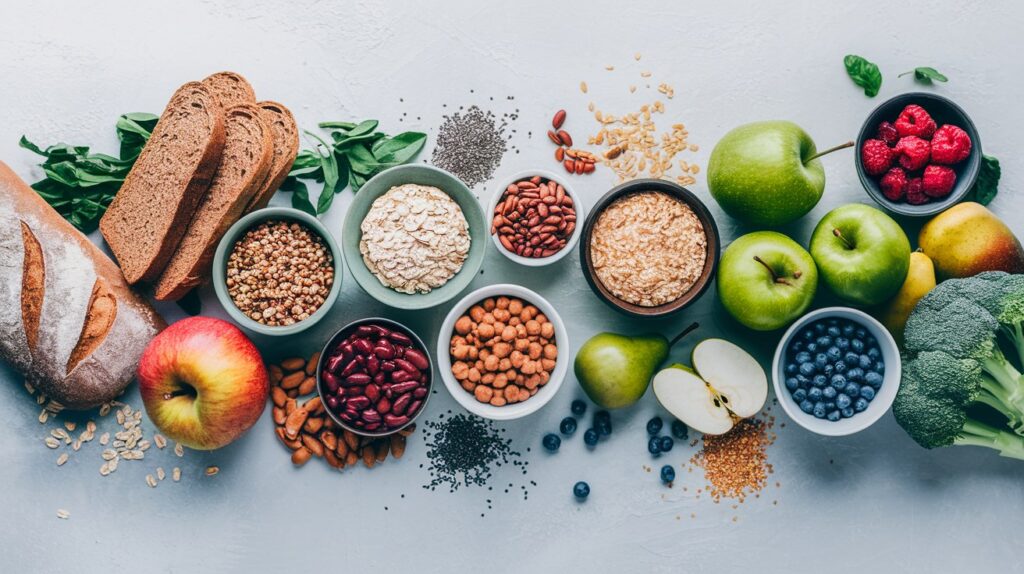
The extensive analysis comparing 75 studies by the Journal of Human Nutrition and Dietetics revealed surprising winners: kiwifruit and rye bread demonstrated the highest effectiveness for digestive health. Kiwi contains a natural enzyme called actinidin plus high fiber content, significantly improving stool frequency and regularity. Rye bread provides fermentable fiber that feeds beneficial gut bacteria, promoting long-term digestive balance. Other excellent fiber sources include apples, oranges, broccoli, carrots, legumes, and whole grains—each offering unique nutritional benefits beyond fiber alone.
The role of fermentable fiber deserves particular attention. When gut bacteria ferment certain fibers, they produce short-chain fatty acids that nourish the cells lining the colon and support a healthy gut barrier. This is the basis of the prebiotic effect — feeding beneficial bacteria so they flourish. Foods rich in these fibers, including legumes, oats, onions, garlic, and slightly under-ripe bananas, support not only digestion but the broader gut microbiome, which research increasingly links to immunity and even mood.
Comprehensive Health Benefits Beyond Digestion
Fiber’s health benefits extend far beyond digestive function. Studies indicate that adequate fiber intake helps regulate blood sugar levels and improve insulin sensitivity, significantly reducing type 2 diabetes risk. Fiber plays a crucial role in reducing body-wide inflammation while protecting cardiovascular health and lowering arterial disease risk. People consuming adequate fiber face lower risks of heart disease, obesity, and several chronic diseases. Additionally, fiber promotes satiety, naturally supporting healthy weight management without calorie restriction or willpower depletion, because high-fiber foods fill you up on fewer calories and slow the return of hunger.
How to Increase Fiber Without Discomfort
A common mistake is increasing fiber too quickly, which can cause bloating, gas, and cramping — often discouraging people before they see the benefits. The gut adapts gradually, so the sensible approach is to add fiber slowly over two to three weeks while increasing water intake in parallel. Fiber draws water into the digestive tract, and without adequate hydration it can worsen constipation rather than relieve it. Spreading fiber across meals rather than loading it into one sitting also eases the transition. Whole foods are preferable to supplements for most people, because they deliver fiber alongside vitamins, minerals, and the plant compounds that supplements lack — though supplements can help fill a genuine gap under professional guidance.
Fiber Across the Day: A Simple Framework
Reaching 25-30 grams of fiber daily is easier when it is spread naturally across meals rather than treated as a target to hit at dinner. A practical framework is to include a fiber source at every eating occasion. Breakfast might feature oats, whole-grain bread, or fruit; lunch a base of legumes, whole grains, or a generous portion of vegetables; snacks such as nuts, fruit, or raw vegetables bridge the gaps; and dinner rounds out the day with more vegetables and a whole-grain or legume component. Built this way, adequate fiber intake stops being a chore and becomes a byproduct of eating a varied, plant-forward diet. For families, making these swaps at the household level — whole-grain bread instead of white, adding beans to familiar dishes, keeping cut vegetables and fruit within easy reach — quietly raises everyone’s intake without anyone counting grams. Small, permanent substitutions consistently outperform short-lived, dramatic diet changes when it comes to long-term digestive health.
Practical Action Steps for Better Digestive Health
- Start gradually: Add fiber slowly to your diet over a few weeks to prevent bloating and gas
- Choose kiwi and rye bread: Research confirms these as especially effective options
- Diversify sources: Eat a range of fruits, vegetables, whole grains, and legumes daily for both fiber types
- Drink plenty of water: Fiber needs adequate hydration to function effectively and comfortably
- Target 25-30 grams daily: This is the recommended minimum fiber intake for most adults
Ready to transform your digestive wellness starting today? Begin by adding one kiwifruit or a slice of rye bread to your morning meal and notice the difference within days.
Sources
- Dietary fiber influence on overall health – Frontiers in Nutrition
- Study Challenges Eat More Fiber Advice – 2026 Research
- Dietary fibre in gastrointestinal health and disease – Nature
The information in this article is for educational purposes only and does not substitute professional medical advice.
The Active Arabia weekly
One article built on one named study, every week, in your inbox. No noise.
We never share your email. Unsubscribe in one click.