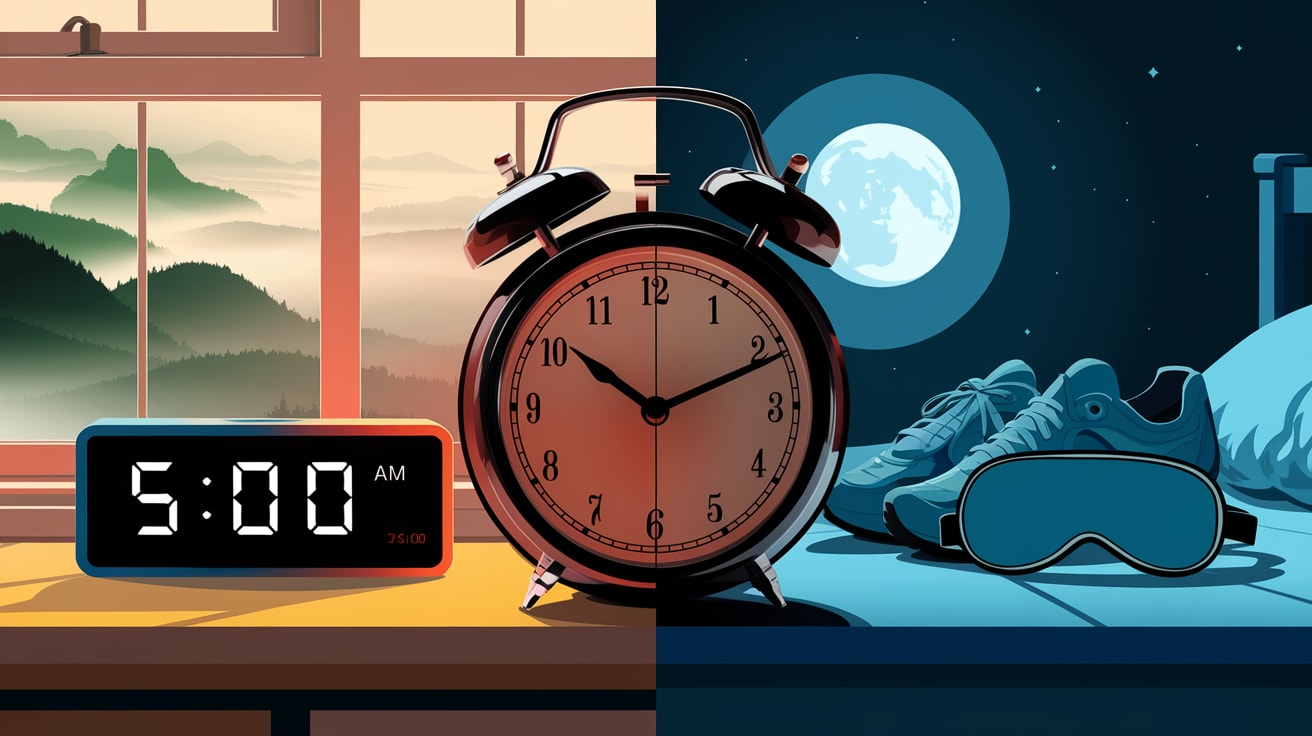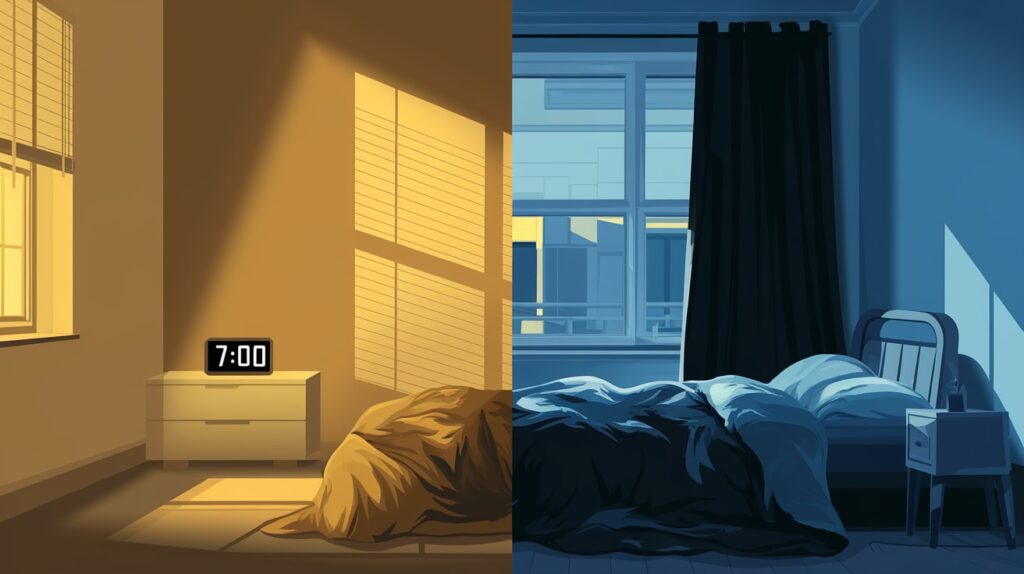
Morning sunlight exposure is one of the most powerful natural regulators of your circadian rhythm, directly influencing sleep quality and mental health. Recent research shows that early-day natural light plays a critical role in synchronizing the body’s internal clock, with positive effects on sleep patterns, mood, and metabolic function. In a world increasingly dependent on artificial lighting and electronic screens, understanding the importance of natural light has become more essential than ever before.
How morning sunlight exposure Regulates Your Circadian Rhythm
Natural daylight in the morning carries an intensity of up to 10,000 lux, compared to just 500 lux in typical office lighting. This massive difference in intensity makes morning sunlight a powerful signal for the circadian pacemaker. When light enters the eye in the morning, special cells in the retina called intrinsically photosensitive retinal ganglion cells send signals directly to the suprachiasmatic nucleus in the brain, the region responsible for controlling the sleep-wake cycle.
These signals influence melatonin production, the hormone that regulates sleep. In the morning, light suppresses melatonin to promote alertness and wakefulness, while production begins again in the evening as darkness falls to prepare the body for sleep. Adequate morning sunlight exposure helps maintain a regular melatonin cycle, which is essential for healthy sleep timing and overall circadian alignment.
Impact on Sleep Quality and Duration
A 2025 study published in BMC Public Health demonstrated that morning sunlight exposure directly affects sleep timing and quality. The research found that people who receive natural light in the early morning hours experience more regular and deeper sleep compared to those who delay light exposure. Sleep timing becomes more aligned with the natural day-night cycle, leading to more consistent rest patterns.
Studies also indicate that morning light helps reduce the time needed to fall asleep and decreases nighttime awakenings. This improvement in sleep quality translates to better energy and focus during the day. The relationship between light and sleep is bidirectional: good sleep promotes better light response, and proper light exposure promotes better sleep. This creates a positive feedback loop that enhances overall sleep health.
Mental Health and Mood Benefits
The benefits of morning light extend beyond sleep to mental health. Another 2025 study found that morning sunlight exposure contributes to reduced depression symptoms and improved overall mood. Morning light helps regulate serotonin production, the neurotransmitter associated with positive mood and feelings of well-being.
In regions with reduced daylight hours during winter months, seasonal affective disorder (SAD) becomes more prevalent—a type of depression linked to seasonal changes. Morning light therapy has become an effective treatment approach for this condition, with research showing significant improvements in mood and energy levels. People who commit to morning light therapy sessions report feeling more alert, energized, and emotionally balanced throughout the day.
Metabolic Benefits and Weight Management
Research indicates that morning sunlight exposure at the right time of day also affects metabolism. Sleeping in a lit environment at night is associated with weight gain. One study found that women who slept with a light or TV on were considerably more likely to gain 10 pounds or more over a five-year period, even after controlling for diet and exercise factors.
Morning sunlight helps regulate hunger and satiety hormones, including leptin and ghrelin, which may contribute to maintaining a healthy weight. The improved sleep quality resulting from proper morning light exposure also positively affects metabolic function, including glucose regulation and insulin sensitivity. These metabolic benefits extend to better energy utilization and reduced risk of metabolic disorders.
Practical Tips for Maximizing Morning Light Benefits
- Get outside early: Try to receive natural light within the first two hours after waking, even on cloudy days. Natural light remains effective even in less-than-ideal weather conditions.
- Open curtains immediately: Allow natural light into your bedroom as soon as you wake up. This helps suppress melatonin production and starts your day with alertness.
- Morning walk: Incorporate an outdoor walk into your morning routine. A 20-30 minute walk provides sufficient natural light exposure for most people.
- Reduce blue light in evening: Avoid electronic screens at least two hours before bedtime. Blue light from screens suppresses melatonin production and delays sleepiness.
- Sleep in complete darkness: Make your bedroom as dark as possible to improve melatonin production. Use blackout curtains or a sleep mask if necessary.
- Maintain consistent schedules: Keep fixed wake-up and sleep times daily, including weekends. Consistency reinforces a strong circadian rhythm.
Important Considerations and Cautions
While morning sunlight exposure offers numerous benefits, caution is needed regarding excessive direct sun exposure without protection, especially in regions with high solar radiation like the Gulf countries. Use sunscreen and sunglasses when necessary, and avoid direct exposure during peak hours when ultraviolet rays are at their strongest.
Morning sunlight is not a magic solution for all sleep problems. If you experience chronic insomnia or persistent sleep disturbances, consult a sleep specialist for comprehensive evaluation. Light exposure is one component of good sleep hygiene, not a standalone treatment for sleep disorders. Professional guidance may be necessary for complex sleep issues.
The Bottom Line
Morning sunlight exposure represents one of the simplest and most effective ways to improve sleep quality and mental health. By dedicating just a few minutes each morning to natural light, you can synchronize your circadian rhythm and significantly enhance your sleep and mood. Start tomorrow by opening the curtains and stepping outside—you’ll notice the difference in energy and alertness within just a few days.
Remember that small changes in daily routines can have a significant impact on overall health. Free, natural morning light available to everyone is one of the most powerful tools for improving quality of life. Make it a habit, and your body will thank you with better sleep, improved mood, and enhanced well-being.
Related on Active Arabia: sun protection and skin care in the Gulf climate.
Sources
- Sleep Foundation. (2026). Light and Sleep: Effects on Sleep Quality. Retrieved from https://www.sleepfoundation.org/bedroom-environment/light-and-sleep
- de Menezes-Júnior, L. A., Sabião, T. S., Carraro, J. C. C., et al. (2025). The role of sunlight in sleep regulation: analysis of morning, evening and late exposure. BMC Public Health.
- Rubiño, J. A., Nicolau, M. C., Riera, A., et al. (2025). Benefits of exposure to morning daylight on sleep, circadian rhythms, and symptoms of depression. Research Square.
Disclaimer: This article is for educational purposes only and does not replace professional medical advice. The information provided should not be used as a substitute for diagnosis or treatment by a qualified healthcare provider.
The Active Arabia weekly
One article built on one named study, every week, in your inbox. No noise.
We never share your email. Unsubscribe in one click.