Iron deficiency female athletes face a silent crisis that undermines performance, recovery, and long-term health. A 2025 study of elite female Australian Rules Football players found that up to 70% of female athletes experience iron deficiency, with prevalence rates of 47-54% observed even among highly trained competitors. The research, published in Sports (Basel), reveals that while iron supplementation improves ferritin levels, it does not consistently enhance physical performance—yet avoiding deficiency remains essential for athlete health.
The Hidden Epidemic of Iron Deficiency Female Athletes Face
Iron deficiency female athletes encounter is not merely a nutritional gap; it is a physiological vulnerability rooted in biology, training load, and dietary patterns. Women of reproductive age lose iron through menstruation, and athletes lose additional iron through sweat, gastrointestinal bleeding during intense exercise, and hemolysis (the breakdown of red blood cells during repetitive impact activities like running).
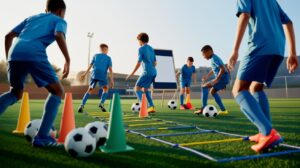
The Pengelly 2025 study measured iron status in 30 elite female players (age 23 ± 4 years; body mass 70 ± 6 kg) across three time-points of a 24-week season. At baseline, nearly half the cohort was iron deficient. Players identified as iron deficient non-anemic received an iron infusion, while others were advised to take oral supplementation. Ferritin levels in the supplemented group improved from 30 µg/L to 49 µg/L over 14 weeks, while the non-supplemented control group saw ferritin decline from 39 µg/L to 34 µg/L.
These numbers matter because ferritin—the protein that stores iron and releases it when needed—is the first marker to drop when iron intake fails to meet demand. By the time hemoglobin falls and clinical anemia is diagnosed, an athlete’s performance, immune function, and cognitive sharpness have already been compromised for weeks or months.
Why Iron Deficiency Female Athletes Experience Disproportionately Affects Performance
Iron is not just a building block for hemoglobin; it is a cofactor for mitochondrial enzymes that produce ATP, the energy currency of every cell. When iron stores are depleted, even without anemia, the body’s ability to generate energy aerobically is impaired. This manifests as premature fatigue, reduced work capacity, and slower recovery between training sessions.
The Pengelly study tracked relative external load measures—total distance covered at different velocities, counter-movement jump height, and reactive strength index—to compare physical performance between iron-supplemented and non-supplemented groups. The results were nuanced: the supplemented group showed small to moderate improvements (5-19%) in some external load measures, but no consistent improvement across all performance metrics. At week 24, the supplemented group outperformed the control group in seven physical performance measures (including hip adduction strength), but the control group outperformed them in others.
This finding challenges the assumption that iron supplementation automatically translates to better performance. The authors concluded that “heightened iron status does not consistently enhance physical performance, although avoiding deficiency remains essential for athlete health.” In other words, iron is necessary but not sufficient—other factors like training periodization, sleep, and overall energy availability also determine outcomes.
Saudi Arabia and the Gulf: Cultural and Dietary Factors
In Saudi Arabia and the broader Gulf region, iron deficiency female athletes experience may be compounded by cultural dietary patterns. Traditional diets rich in rice, bread, and dairy can be low in heme iron (the highly bioavailable form found in red meat). While dates, legumes, and leafy greens provide non-heme iron, its absorption is inhibited by phytates and polyphenols commonly present in these foods.
Additionally, vitamin D deficiency is widespread in the Gulf due to limited sun exposure (heat, cultural dress, and indoor lifestyles), and emerging research suggests that vitamin D plays a role in iron metabolism. A 2024 systematic review found that vitamin D supplementation improved ferritin levels in iron-deficient women, suggesting that addressing multiple micronutrient gaps may be more effective than iron alone.
For female athletes in the region—whether training for Saudi Vision 2030 sports initiatives, competing in regional tournaments, or simply maintaining fitness—these cultural and environmental factors demand attention. A tailored approach that considers local food availability, sunlight exposure, and training schedules is essential.
Practical Strategies for Iron Deficiency Female Athletes
Based on the Pengelly 2025 findings and broader sports nutrition research, here are evidence-based strategies for managing iron status:
- Test ferritin, not just hemoglobin. Standard blood panels often miss early-stage iron deficiency. Athletes should request ferritin testing at the start of each training season and again mid-season.
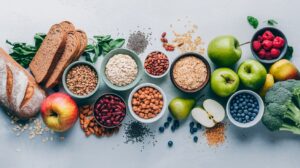
- Prioritize heme iron sources. Red meat, poultry, and fish provide iron that is 2-3 times more bioavailable than plant-based sources. For athletes who avoid meat, pairing plant iron with vitamin C-rich foods (citrus, bell peppers) enhances absorption.
- Avoid iron inhibitors around meals. Coffee, tea, and calcium-rich foods inhibit iron absorption. Consume them between meals, not with iron-rich meals or supplements.
- Consider supplementation strategically. Oral iron supplements (e.g., ferrous sulfate 65 mg elemental iron) taken every other day may be more effective and cause fewer gastrointestinal side effects than daily dosing, according to emerging research.
- Monitor training load and recovery. Excessive training volume without adequate energy intake increases iron loss and impairs absorption. Periodization and rest days are not optional—they are physiological necessities.
Limitations and Honest Caveats
The Pengelly 2025 study was a case study of 30 athletes in a single sport, so its findings may not generalize to all female athletes. Endurance athletes (runners, cyclists) may face greater iron losses than team-sport athletes, while strength athletes may have different requirements. Additionally, the study did not control for dietary intake, menstrual blood loss, or genetic factors that influence iron metabolism.
It is also important to note that iron supplementation is not without risks. Excessive iron intake can cause gastrointestinal distress, oxidative stress, and in rare cases, iron overload (hemochromatosis). Athletes should never self-prescribe high-dose iron without medical supervision.
Sources
- Pengelly M, Pumpa K, Pyne DB, Etxebarria N. “Putting the Fe into Female Athletes: Insights into Heightened Iron Status and Women’s Australian Football Performance-A Case Study.” Sports (Basel). 2025;13(5). https://pubmed.ncbi.nlm.nih.gov/40423272/
- Luna F, Rossi EV, Moreno ML, Heim T, Arrieta EM. “Iron Deficiency in Vegetarian Athletes: A Narrative Review.” Curr Nutr Rep. 2026;15(1):44. doi:10.1007/s13668-026-00765-1
For more on women’s sport and health, visit our sport category or read our earlier article on hydration strategy for endurance athletes.
The Active Arabia weekly
One article built on one named study, every week, in your inbox. No noise.
We never share your email. Unsubscribe in one click.