
Late dinners, social evenings that start at ten, summer days that push everything after dark, and screens everywhere: the Gulf is a natural experiment in short, late and irregular sleep. The research is unusually clear about the cost, from injury risk in runners to blood-sugar control and mood, and about what helps, which is less about gadgets than about regularity, light and timing. This hub collects studies on sleep duration and consistency, the circadian effects of morning light and late meals, naps, and the specific question of how to protect sleep during Ramadan and long summer nights.
What the research says
The strongest recent signal is about regularity rather than hours. UK Biobank analyses summarised in why a regular sleep schedule may matter more than duration found that people with consistent bed and wake times had lower mortality than irregular sleepers who slept the same total amount. Sleep architecture matters too: a 2026 PLOS Medicine study of 95,559 people linked more REM sleep to lower risk of 83 different diseases, including dementia and heart failure. The cost of short sleep is measurable in the gym and on the road: poor sleepers in a cohort of 425 runners had almost double the injury risk, and reviews of athletes put the performance loss from a night of restricted sleep at 15–20%. The mental-health link runs both ways; adults sleeping 7–8 hours report markedly better mood scores, as covered in sleep quality and mental health.
Two levers come up repeatedly in the trials. Light: morning sunlight exposure within an hour of waking anchors the circadian clock and brings sleep onset earlier the same night. Food: a 2025 study of 574 women found that late evening meals raised metabolic-syndrome risk independently of what was eaten, and late eating also delays melatonin. For the broader population picture, see sleep deprivation statistics.
Why the Gulf is different
Saudi Arabia’s own numbers are not good: in national survey data, 33.8% of adults sleep under seven hours and 21.5% are dissatisfied with their sleep. The causes are structural rather than personal. Social life starts late, especially in summer when daytime heat pushes everything after dark; dinner at 10 or 11 pm is normal; work and school start early regardless. Ramadan reverses the day for a month and most people re-enter it with sleep debt. Summer sunrise in Riyadh is before 5:30 am, so a bedroom without blackout blinds gets full daylight hours before the alarm. And the same air-conditioning that makes sleep possible is often set to 18–19 °C, which is cold enough to fragment sleep for many people.
A practical plan
- Fix the wake time first. Pick one wake time for all seven days and hold it for three weeks, even after a late night. Bedtime will drift earlier by itself; forcing it rarely works.
- Get outside within an hour of waking. Ten minutes of real daylight, without sunglasses, on a balcony or walking to the car. In summer this is also the only comfortable outdoor window.
- Close the kitchen three hours before bed. If dinner must be late, make it the smallest meal of the day and move the larger meal to lunch.
- Set the bedroom to 20–22 °C, dark, and quiet. Blackout blinds are the single highest-value purchase for Gulf summers; a fan on low gives air movement without the cold.
- Nap short or not at all. A 20-minute nap before 3 pm helps; the common 90-minute afternoon sleep pushes night sleep later and should be reserved for Ramadan or shift work.
- Treat sleep as training. On hard-training weeks aim for 8–9 hours, and if you are injured or sick, sleep is the first thing to add, not the last.
Common mistakes
- Catching up at the weekend. Two late mornings shift the clock enough to make Sunday night insomnia predictable.
- Reading a 6-hour night with a good wearable score as “enough”. Devices are poor at staging and the health studies are about duration and timing.
- Caffeine after 3 pm; its half-life is five to six hours, so Arabic coffee at a 9 pm gathering is still active at 2 am.
- Screens in bed: the problem is less the blue light than the delayed bedtime and the alerting content.
- Using the bedroom as an office in hot months because it is the coolest room, which breaks the bed-sleep association.
When to seek medical help
Loud snoring with pauses in breathing, waking unrefreshed after a full night, or falling asleep during the day are the classic signs of sleep apnoea, which is common in the Gulf and very treatable; ask for a sleep study. Insomnia lasting more than three months, or that comes with persistent low mood or anxiety, responds well to cognitive behavioural therapy for insomnia, which is more effective than sleeping tablets over the long term. Night-time chest pain, breathlessness lying flat, or restless legs severe enough to prevent sleep also warrant a doctor’s visit.
Articles in this pillar
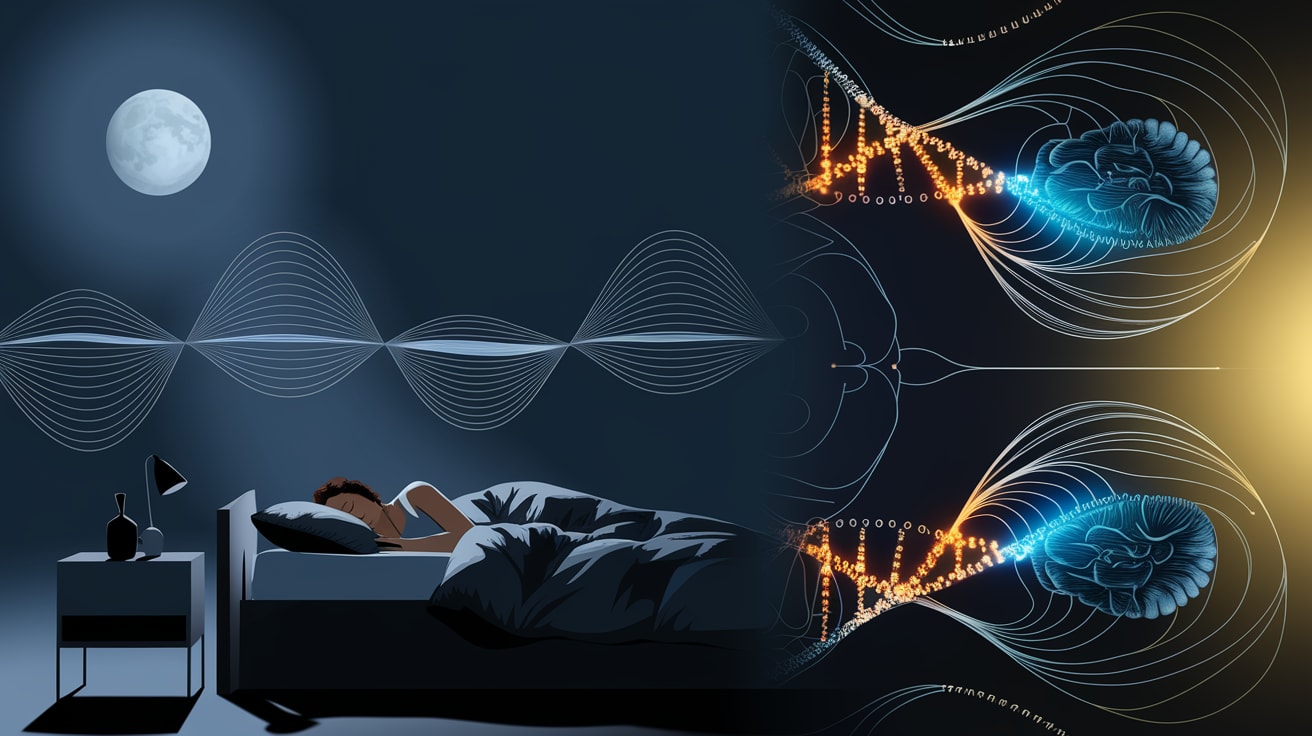 REM Sleep Cuts 83 Disease Risks: 95,559-Person Study
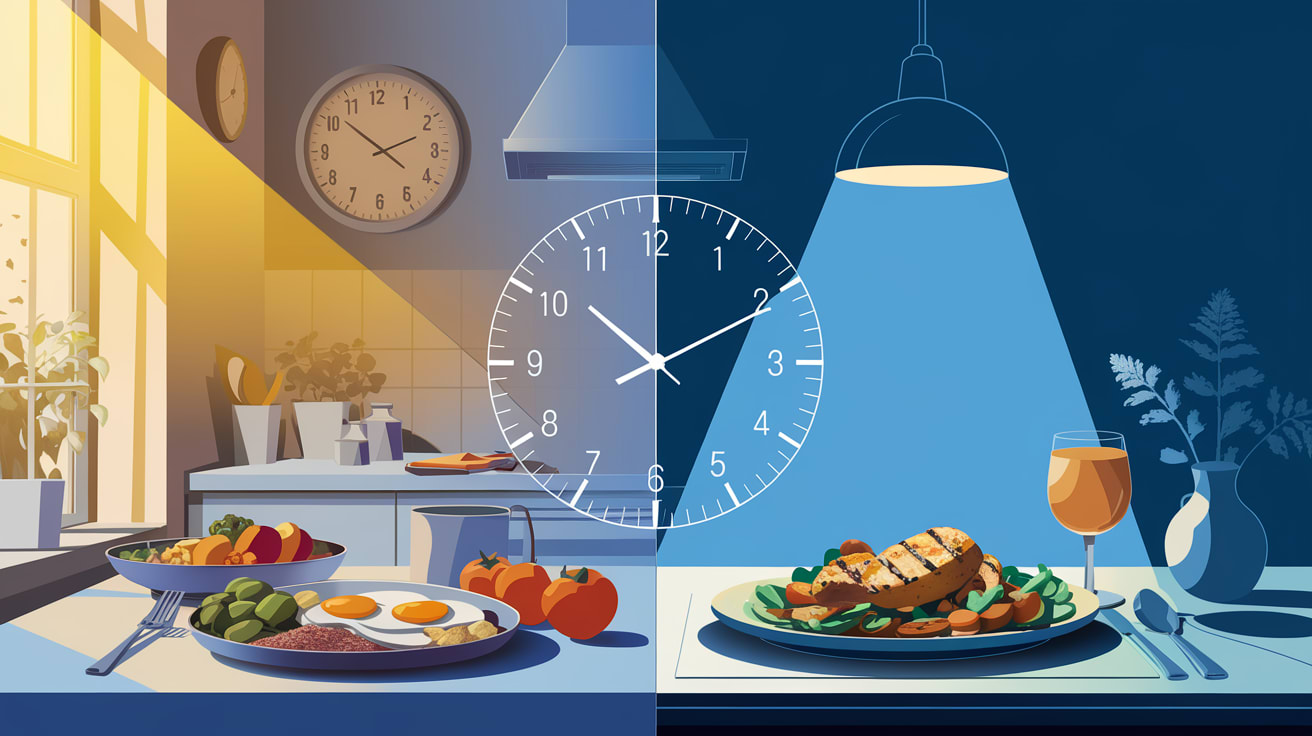 Circadian Eating Patterns: 2025 Study of 574 Women Reveals How Late Meals Raise Metabolic Syndrome Risk
 Morning Sunlight Exposure: How Early Light Shapes Your Sleep and Mental Health, According to Research
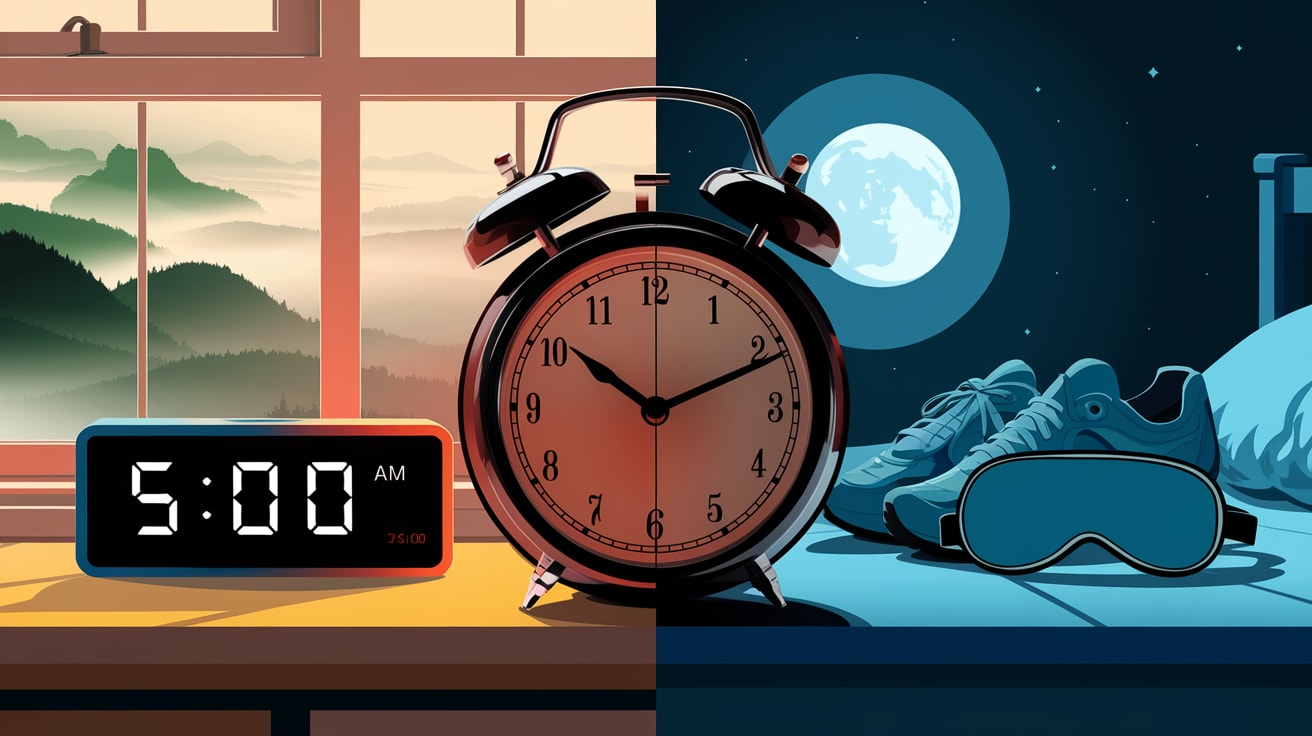 Sleep Deprivation Running Injury: How Poor Sleep Doubles Your Risk of Getting Hurt
 Why a regular sleep schedule may matter more than hours
 Sleep Deprivation Statistics: The Complete Guide to Understanding Health Risks
 Sleep Health Statistics in Saudi Arabia: Important Numbers You Should Know
 Improving sleep athletic performance: What 2026 Research Shows
 Sleep Quality and Mental Health: The Relationship That Changes Your Life