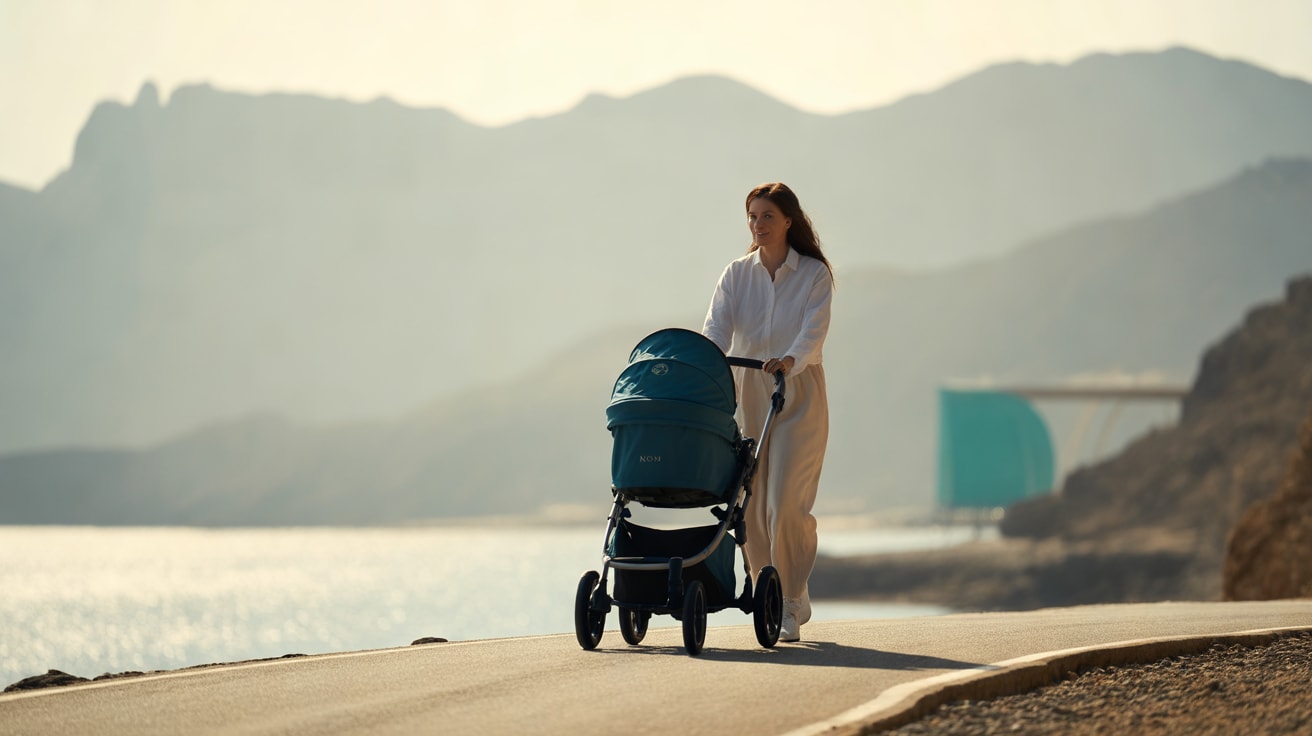
Studies suggest that physical activity after childbirth reduces depression risk by 30-45%. This postpartum exercise depression prevention approach is gaining attention from health professionals worldwide. A recent systematic review published in Public Health in 2026, involving over 12,000 women, revealed the strong relationship between postpartum exercise depression prevention and improved mental health. But what type of exercise is most effective? And how long does it take to see benefits?
Understanding Postpartum Exercise Depression Prevention: The Scale of the Problem
Postpartum depression is one of the most common complications after childbirth, affecting approximately 10-20% of new mothers globally. In Saudi Arabia, local studies show the rate may reach 22% due to social, hormonal, and psychological factors accompanying this period.
New mothers experience sharp hormonal changes, including a drop in estrogen and progesterone levels immediately after delivery, which affects mood and energy. Additionally, sleep deprivation, psychological stress, and lifestyle changes all contribute to increased depression risk.
What Did the 2026 Systematic Review Reveal?
Akter and colleagues (2026) analyzed 28 studies involving 12,458 postpartum women. The review found that women who engaged in regular physical activity after childbirth had a 38% lower risk of developing depression compared to those who did not exercise.
The analyses included various exercises: walking, yoga, light strength training, and aerobic activities. Results showed that even moderate physical activity for 30 minutes, 3-5 times per week, was sufficient to achieve noticeable mental health benefits.
Notably, benefits appeared even in women who started exercising 6 weeks after delivery, suggesting it’s never too late to begin.
Biological Mechanisms: How Does Exercise Protect Against Depression?
Exercise improves mental health through several mechanisms:
- Endorphin release: Exercise releases chemicals in the brain that improve mood and reduce pain perception.
- Reduced inflammation: Postpartum depression is associated with increased inflammation in the body, and regular exercise lowers inflammatory markers.
- Improved sleep: Exercise helps regulate the sleep-wake cycle, a crucial factor in postpartum mental health.
- Social interaction: Group exercises or support groups provide opportunities for social connection, reducing feelings of isolation.
Best Types of Exercise for New Mothers
Not all exercises are equal at this stage. Medical guidelines recommend starting gradually:
- Walking: The simplest and safest postpartum exercise. Start with 10 minutes daily and gradually increase duration.
- Postpartum yoga: Focuses on strengthening pelvic floor and abdominal muscles, improving flexibility and relaxation.
- Kegel exercises: Strengthen pelvic floor muscles weakened during pregnancy and childbirth.
- Light strength training: Using light weights or body resistance, after 6-8 weeks from vaginal delivery.
Avoid high-intensity exercises like running or jumping until cleared by your doctor, usually after 8-12 weeks.
Practical Applications in the Saudi Context
In Saudi Arabia, multiple options exist for postpartum exercise:
- Walking in residential neighborhoods or along the corniche in early morning or evening.
- Joining new mother support groups that organize yoga sessions or group exercises.
- Using Arabic fitness apps offering postpartum-specific workouts.
- Exercising at home with the baby, making it easier to maintain physical activity.
It’s important to consult your doctor before starting any exercise program, especially after cesarean delivery or if there were complications.
Limitations and Cautions
Despite clear benefits, several points must be considered:
- Exercise is not a substitute for medical treatment in severe depression cases.
- Some women may face difficulties finding time or support to exercise.
- Current studies rely heavily on self-reporting, which may affect result accuracy.
- Not all studies differentiated between mild and severe depression.
Summary and Practical Recommendations
Based on current evidence, here are practical recommendations:
- Start with walking 10-15 minutes daily after one week from vaginal delivery (or after doctor consultation for cesarean).
- Gradually increase duration to 30 minutes, 5 days per week.
- Join a support group or exercise with a friend to motivate each other.
- Monitor depression signs: persistent sadness, loss of interest, sleep or eating difficulties, and thoughts of harming yourself or the baby. If these appear, seek medical help immediately.
- Remember that physical activity is a preventive tool, not a complete treatment.
For more information on women’s health and sport, see our Women’s Health and Sport Guide.
If you’re facing challenges exercising after childbirth, you can benefit from other mothers’ experiences in our article on prenatal exercise and gestational diabetes.
Long-term Benefits for Mother and Child
Beyond immediate mental health improvements, regular postpartum exercise offers lasting benefits. Mothers who maintain physical activity after childbirth report better overall health, increased energy levels, and improved bonding with their infants. The routine of exercise also helps establish structure in the unpredictable early months of motherhood, providing a sense of accomplishment and control during a time when many things feel uncertain.
Children of mothers who exercise regularly after birth may also benefit indirectly. Active mothers are more likely to engage in physical play with their infants, promoting the child’s motor development and creating positive associations with movement from an early age. Additionally, mothers with better mental health are more responsive to their baby’s cues, supporting healthy emotional and cognitive development.
The key is consistency rather than intensity. Even short, daily walks provide cumulative benefits over weeks and months. Research shows that mothers who establish exercise habits in the postpartum period are more likely to maintain physical activity long-term, creating a positive cycle of health for the entire family. Start with what feels manageable and gradually build from there, celebrating small victories along the way.
Sources
- Akter S, et al. “The effect of physical activity on postpartum depression: A systematic review and meta-analysis.” Public Health. 2026;234:106296. doi:10.1016/j.puhe.2026.106296
- World Health Organization. “WHO recommendations on physical activity, sedentary behaviour and sleep for children under 5 years of age.” Geneva: World Health Organization; 2019. Available from: https://www.who.int/publications/i/item/9789241550536
- Evenson KR, et al. “Physical activity and pregnancy: past and present evidence and recommendations.” Am J Obstet Gynecol. 2022;226(2S):S918-S930. doi:10.1016/j.ajog.2021.12.011
The Active Arabia weekly
One article built on one named study, every week, in your inbox. No noise.
We never share your email. Unsubscribe in one click.