When we think about improving cardiovascular fitness, we typically picture hours of running, cycling, or gym sessions. But a groundbreaking 2026 study published in Healthcare journal reveals that passive heat acclimation exercise capacity can significantly improve in older adults after just four days of heat exposure — no exercise required. The research, conducted by Wilson and colleagues at Manchester Metropolitan University, demonstrates that simply sitting in a hot environment can trigger physiological adaptations typically associated with weeks of endurance training.
What Is Passive Heat Acclimation?
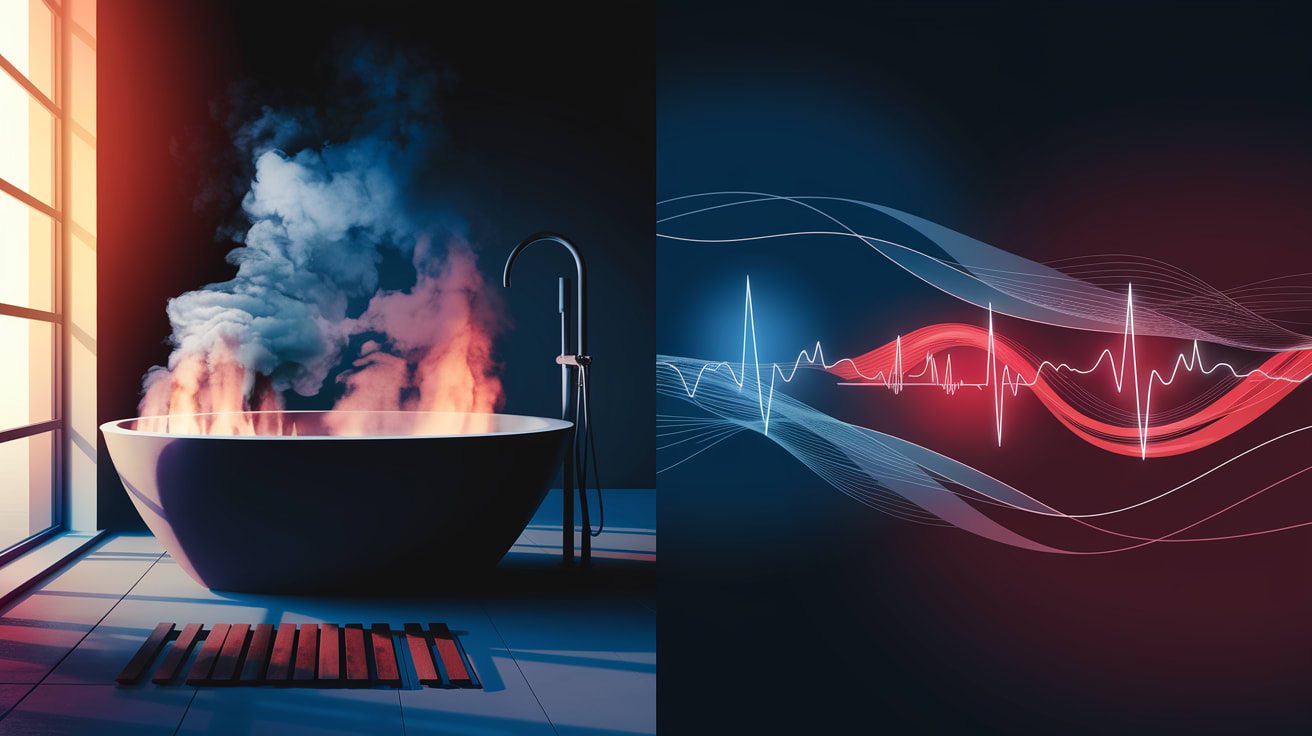
Passive heat acclimation refers to deliberate exposure to hot conditions without physical activity. This can include hot water immersion, sauna bathing, or exercising in heated environments. Unlike traditional heat acclimation, which combines heat exposure with exercise, passive protocols allow the body to adapt to thermal stress while at rest. The Wilson et al. study specifically used hot water immersion, where participants sat in warm water (approximately 40°C/104°F) for 40-60 minutes daily over four consecutive days.
The concept isn’t entirely new — athletes have used heat chambers and hot baths for decades to enhance performance. However, the 2026 study is significant because it demonstrates these benefits extend beyond elite athletes to older adults, a population particularly vulnerable to heat-related illness and cardiovascular decline. The researchers found measurable improvements in exercise capacity, thermoregulation, and cardiovascular function after the brief four-day protocol.
The Science Behind Passive Heat Acclimation Exercise Capacity
The physiological mechanisms behind passive heat acclimation exercise capacity improvements are well-documented. When your body is repeatedly exposed to heat stress, it undergoes several adaptations:
- Plasma volume expansion: Your blood volume increases, improving circulation and oxygen delivery to working muscles
- Enhanced sweating response: You begin sweating earlier and more efficiently, improving cooling
- Reduced cardiovascular strain: Heart rate decreases at a given exercise intensity, making activity feel easier
- Improved thermoregulation: Core temperature rises more slowly during exercise
The Wilson study measured these changes directly. Participants showed increased plasma volume, lower heart rates during submaximal exercise, and improved time-to-exhaustion during cycling tests. These adaptations mirror what you’d expect from traditional endurance training, but achieved through heat exposure alone. The study’s authors note that the cardiovascular system essentially ‘trains’ itself to handle thermal stress, and this training transfers to improved exercise performance.
Why This Matters for Older Adults
The 2026 findings are particularly relevant for older adults, who face unique challenges. Aging is associated with reduced cardiovascular capacity, impaired thermoregulation, and increased vulnerability to heat-related illness. Traditional exercise interventions can be difficult for those with mobility limitations, joint problems, or chronic conditions. Passive heat acclimation offers an alternative pathway to cardiovascular improvement.
The study participants, all healthy adults aged 60 and above, completed the four-day hot water immersion protocol alongside their normal daily activities. They didn’t need to change their exercise routines or adopt new physical activities. Yet they showed measurable improvements in exercise capacity — they could cycle longer before exhaustion, and their cardiovascular systems handled the workload more efficiently. For older adults who struggle with traditional exercise, this represents a promising complementary approach.
Practical Applications for Gulf Climate
For residents of Saudi Arabia and the Gulf region, where summer temperatures regularly exceed 45°C (113°F), understanding passive heat acclimation exercise capacity has immediate practical value. The research suggests that controlled heat exposure — whether through hot water immersion, sauna use, or even simply spending time in warm environments — can help the body adapt to thermal stress more efficiently.
This doesn’t mean you should exercise outdoors in extreme heat without preparation. Rather, it suggests that gradual, controlled heat exposure can build resilience. If you’re planning to be active in warm conditions, spending a few days acclimating through passive heat exposure beforehand may improve your performance and reduce cardiovascular strain. The key is gradual exposure and proper hydration — the study protocols were carefully controlled and supervised.
Limitations and Cautions
While the findings are promising, important limitations exist. The Wilson study involved healthy older adults — those with cardiovascular conditions, diabetes, or other chronic illnesses should consult physicians before attempting heat acclimation protocols. The study also had a small sample size (typical for physiological research), and the long-term effects of repeated heat exposure remain unclear.
Additionally, passive heat acclimation is not a replacement for traditional exercise. The study showed improvements in exercise capacity, but participants still needed to exercise to realize the full cardiovascular benefits. Heat exposure appears to enhance the body’s response to exercise rather than replace it entirely. The adaptations are also reversible — if you stop the heat exposure, the benefits gradually dissipate over 2-3 weeks.
Practical Takeaways
- Short protocols work: Just four days of passive heat exposure can improve exercise capacity in older adults
- No exercise required: Benefits occur through heat exposure alone, making this accessible for those with mobility limitations
- Multiple methods available: Hot water immersion, sauna bathing, and heated environments all appear effective
- Gradual exposure is key: Start with shorter sessions and increase duration gradually to avoid heat-related illness
- Hydration is critical: Drink water before, during, and after heat exposure sessions
- Consult your doctor: Those with cardiovascular conditions or chronic illnesses should get medical clearance before starting
Related on Active Arabia: what seawater immersion actually does for recovery and how much water you need in summer heat.
Sources
- Wilson, L.J., Ward, E.V., & Oates, L. (2026). Four-Days of Passive Heat Acclimation Increases Exercise Capacity in Healthy Older Adults Living in the UK. Healthcare, 14(2), 123. https://www.mdpi.com/2227-9032/14/2/123
- Jenkins, E.J., Killick, J.A., Zerilli, O., et al. (2025). Long-term passive heat acclimation enhances maximal oxygen consumption via haematological and cardiac adaptation in endurance runners. The Journal of Physiology. https://physoc.onlinelibrary.wiley.com/doi/10.1113/JP287456
Disclaimer
This article is for educational purposes only and does not constitute medical advice. Always consult with a qualified healthcare provider before starting any new health or fitness program, especially if you have pre-existing medical conditions. The information presented here is based on scientific research but should not replace professional medical guidance.
The Active Arabia weekly
One article built on one named study, every week, in your inbox. No noise.
We never share your email. Unsubscribe in one click.