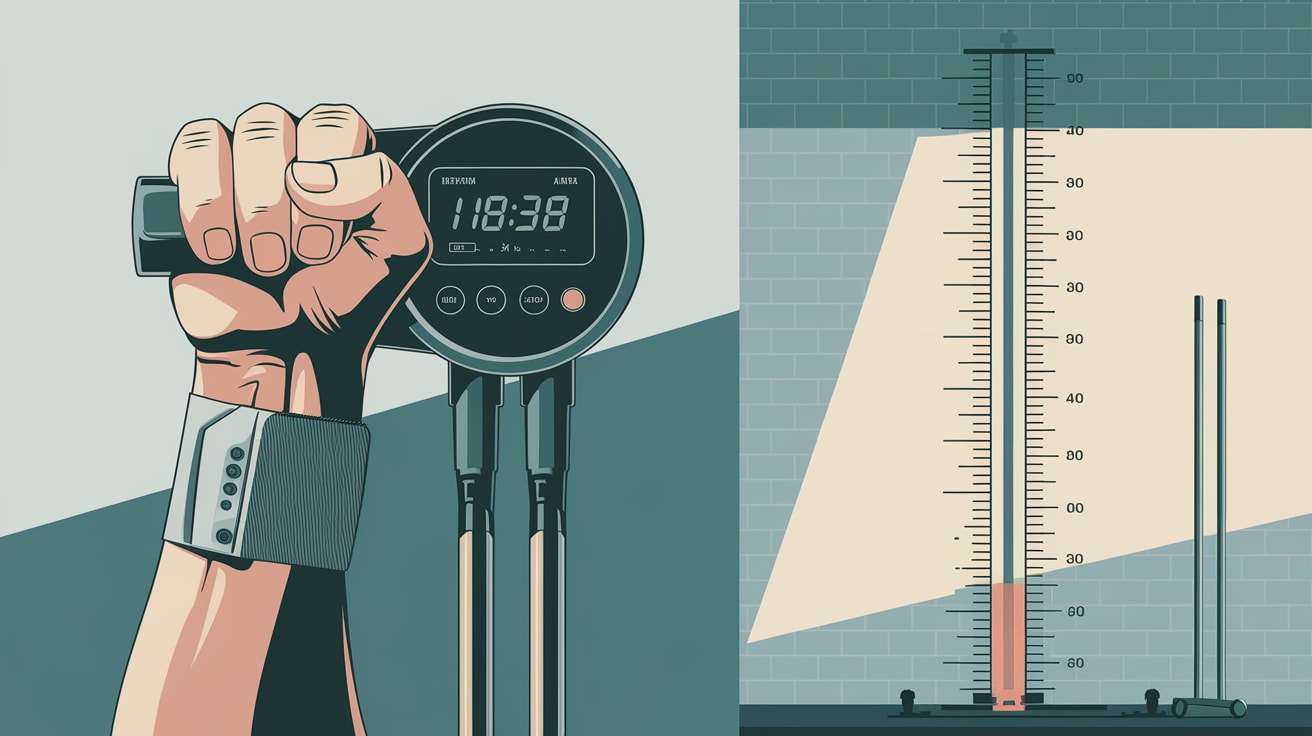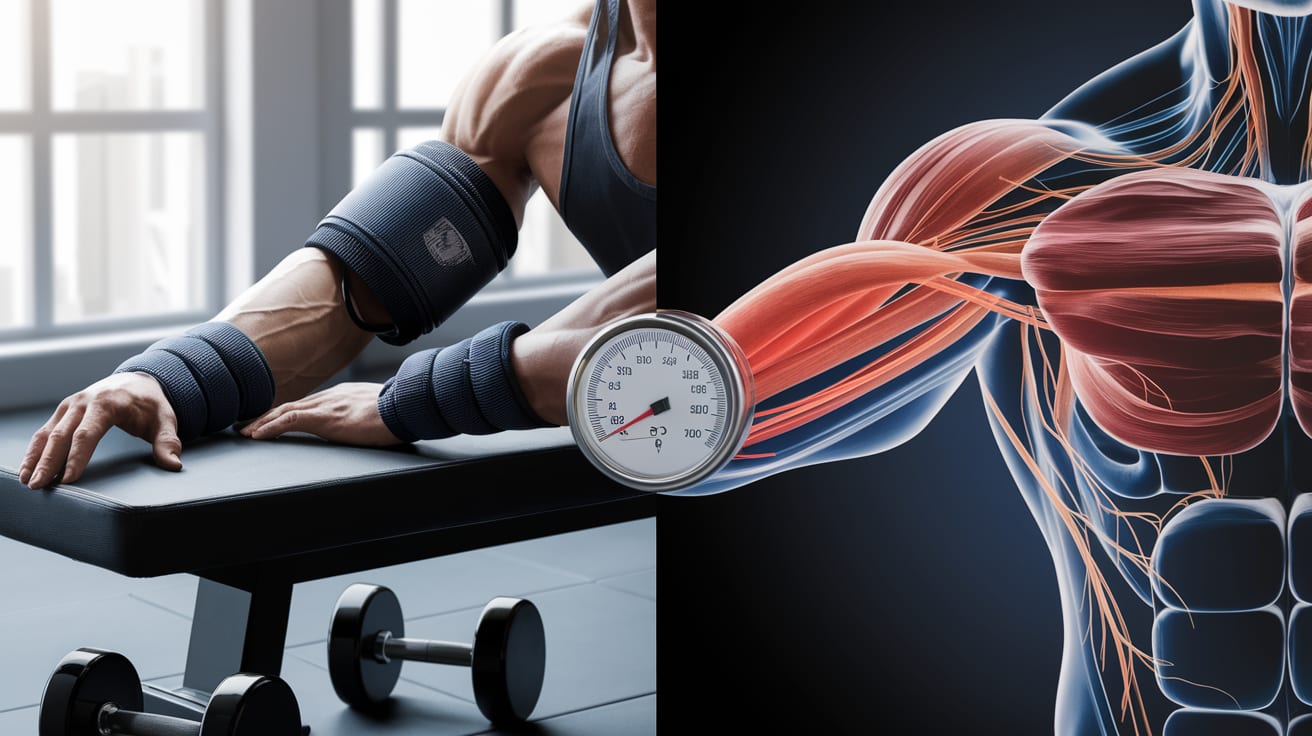

isometric strength training is not about grunting through reps. It’s about holding power. Instead of the constant flex-and-release of dynamic workouts, isometric exercises challenge your muscles to contract hard and stay contracted. Hold a plank, a wall sit, or a handgrip squeeze for seconds or minutes, and your neuromuscular system responds like nothing else. Researchers found that 15–20 minutes of isometric holds activates more than 70% of your maximum muscle fibers—versus just 30–40% during light dynamic movement. It’s the fastest, most time-efficient way to build real strength.
isometric strength training for core stability and injury prevention
Your core is your armor. Planks, wall sits, and static core holds engage the deep stabilizer muscles that lock your spine in place and keep you injury-free. A 2025 sports medicine study showed that athletes who added isometric strength training to their routine achieved 15–25% improvements in force production within just six weeks. Even better: no jumps, no violent movements—zero joint impact, no knee pain, no lower back strain. The science is clear: isometric holds build endurance strength while protecting your skeletal integrity. Read more about injury-proofing your training with smart stability work.
blood pressure and cardiovascular gains: a hidden health benefit
Studies confirm that isometric strength training—particularly handgrip isometric exercises and wall squats—reduces systolic blood pressure by 5–10 mmHg within eight weeks. That’s a real, measurable cardiovascular gain, equivalent to some blood pressure medications. If you’re managing hypertension or want to prevent it naturally, isometric training offers a powerful, medication-free tool. The mechanism: static contraction triggers vascular adaptation and improved endothelial function. Your heart benefits without the impact.
beginner isometric strength training: where to start
- Planks: Lie face-down, rest on forearms, lift your body off the ground, and hold. Start at 15 seconds; add 5 seconds weekly. Aim for 60 seconds by week six.
- Wall Sits: Back against a wall, slide down until your knees form a 90° angle, freeze. Hold for 20–30 seconds. Rest, repeat 3 times.
- Handgrip Isometric Hold: Squeeze a grip trainer or stress ball with maximum force for 30 seconds. Rest. Complete 3 rounds per hand.
- Glute Bridge Hold: Lie supine, feet flat, lift hips level with your torso, contract glutes hard, hold 20–30 seconds. Repeat 3 times.
the truth about isometric strength training: silent but powerful
isometric strength training won’t make you sore. You won’t feel the dramatic pump of dynamic lifting. But within six weeks, your body will surprise you: your posture improves, your back pain disappears, you move with quiet confidence. Strength isn’t always loud. Sometimes it’s the athlete who holds still and doesn’t move—that’s where real power lives. Are you ready to train smarter, not just harder?
Sources
- PubMed: Time-efficient isometric training for muscle activation
- PubMed Central: Isometric exercises and core stability in athletes
- Journal of the American Heart Association: Isometric handgrip training and blood pressure
The information in this article is for educational purposes only and does not substitute professional medical advice.
The Active Arabia weekly
One article built on one named study, every week, in your inbox. No noise.
We never share your email. Unsubscribe in one click.