A 2026 study of 827 young Saudi adults found that 70.5% scored below the threshold for satisfactory nutrition knowledge on a validated 20-item assessment — and separately, national dietary modeling shows that even a well-planned Saudi diet falls short on two specific nutrients most people have never heard of: vitamin E and choline. Minerals and vitamins matter for health, but the real problem isn’t a knowledge gap about minerals and vitamins in general — it’s that a handful of specific nutrients are quietly under-consumed even when everything else looks fine on paper.
What Saudi Research Actually Shows About Nutrient Intake
The 827-participant study, published in Frontiers in Public Health, didn’t test people specifically on minerals and vitamins — it measured general nutrition knowledge using the Consumer Nutrition Knowledge Scale (CoNKS), a 20-item yes/no/”don’t know” questionnaire covering calorie and nutrient content, food composition, and the health benefits of different food groups. Scores below 16 out of 20 were classified as unsatisfactory. Under that measure, 70.5% of young adults aged 18–25 fell short, and 58.3% also showed limited health literacy. That’s a real gap, but it’s about nutrition knowledge broadly — not proof that people specifically don’t understand minerals and vitamins.
What the Saudi Healthy Plate-2024 dietary framework found is more specific and more useful. When researchers modeled a realistic Saudi diet against the country’s Acceptable Ranges for nutrient intake, most micronutrients came out fine: iron, phosphorus, vitamin A, vitamin D, and vitamin C all reached essentially 100% adequacy for both men and women, and zinc came in just under 100%. Calcium (around 90%) and magnesium (around 85%) were slightly lower but still reasonable. Related articles on nutrition science
The Real Gap: Vitamin E and Choline
Two nutrients stood out as genuinely inadequate in the same modeling. Vitamin E met only 60.93% of the Adequate Requirement for men and 60.61% for women — the single largest shortfall the researchers identified. Choline, a nutrient most people never think about but that supports liver function, brain development, and cell membrane structure, met just 73.71% (men) and 73.36% (women) of requirement. Unlike iron or vitamin C deficiency, low vitamin E and choline intake rarely produces dramatic symptoms, which is likely why it goes unaddressed — it’s not that people are eating badly across the board, it’s that two specific nutrients are consistently under-represented in the typical dietary pattern.
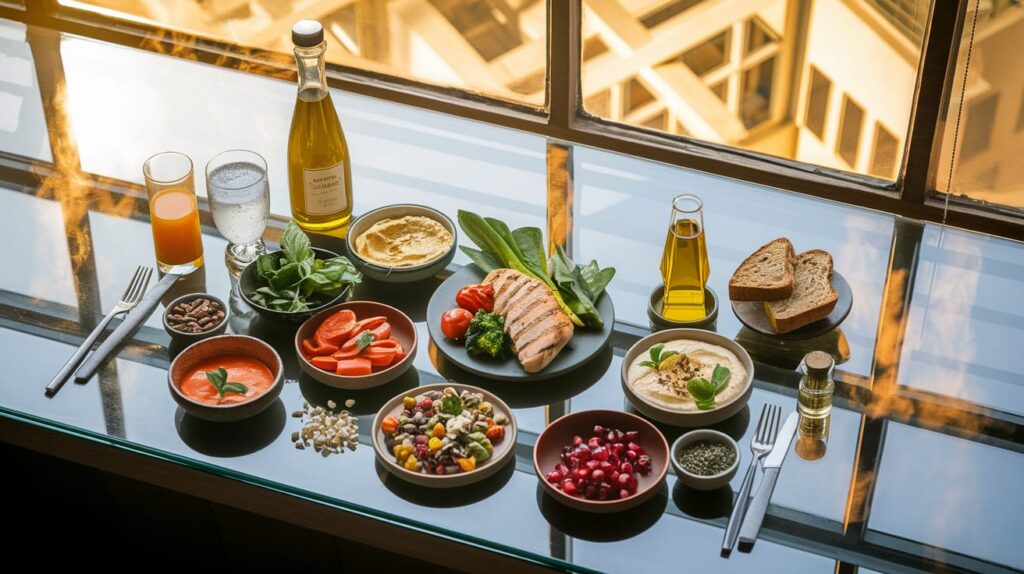
Vitamin E is concentrated in foods many diets under-use: sunflower seeds, almonds, hazelnuts, wheat germ, and vegetable oils like sunflower and safflower oil. Choline is found mainly in eggs (particularly the yolk), liver, fish, and to a lesser extent in cruciferous vegetables like broccoli. Neither requires a supplement to fix — both respond to modest, specific additions to a normal diet.
Best Natural Food Sources for the Nutrients That Matter
For the minerals that Saudi diets already handle reasonably well, whole foods remain more effective than supplements at both absorption and safety. Iron from red meat is absorbed at 15–35% efficiency, while supplemental iron often causes digestive upset without matching that absorption rate. Calcium from dairy and sesame pairs naturally with vitamin D for better uptake. Magnesium is abundant in whole grains, spinach, and avocado. Zinc appears in meat, poultry, lentils, and shellfish. Vitamin C from citrus or tomatoes measurably improves iron absorption when eaten in the same meal — a detail no isolated pill replicates.
Warning Signs of Deficiency
- Persistent fatigue and weakness may signal iron or magnesium deficiency
- Brittle nails and hair loss often indicate zinc or calcium insufficiency
- Muscle weakness and fragile bones suggest vitamin D and calcium gaps
- Memory problems and poor focus may reflect B12, choline, or magnesium deficiency
- Nerve or muscle weakness with no other clear cause can point to inadequate vitamin E intake
If you notice these signs, start with food, not supplements. In most cases dietary adjustment resolves the gap within weeks — the exception is when someone is already taking supplements without medical guidance, which turns out to be common among the population most likely to use them.
Supplements: What Saudi Athletes Are Actually Taking
A 2026 survey of 500 Saudi athletes (445 analyzed after exclusions) found that 73.9% use dietary supplements, with 28.5% using them regularly. Vitamin and mineral combinations were the most common category at 77.3%, followed by fish oils (57.3%) and various protein products (42.7% for standard protein, 36.9% milk protein, 32.6% rice protein). The leading motivation, cited by 62.0% of users, was specifically addressing a perceived vitamin or mineral deficiency — followed by a desire to boost energy availability (45.8%).
The safety picture is where the data gets more concerning. Only 32.6% of supplement users reported no side effects at all; the rest experienced issues ranging from changes in urine color or smell (27.4%) to frequent urination (18.0%) and sleep disturbances (11.0%). More striking: an independent contamination analysis found that almost 28% of tested dietary supplement products could result in inadvertent doping violations, with 875 out of 3,132 products screened containing undeclared substances. Yet only 35.1% of athletes had their dosage determined by a physician or pharmacist, and just 41.1% received any advice from a medical professional before starting. For most people, the message from this data isn’t “avoid supplements” — it’s that food-first nutrition avoids a real, measurable risk that supplement shortcuts carry.
Sources
- Frontiers in Public Health — General Nutrition Knowledge Among Saudi Young Adults, 2026 (n=827, CoNKS scale)
- Saudi Healthy Plate-2024 — National Dietary Guidelines Adequacy Modeling
- MDPI — Dietary Supplement Use and Safety Among Saudi Athletes, 2026 (n=445)
The information in this article is for educational purposes only and does not substitute professional medical advice.
The Active Arabia weekly
One article built on one named study, every week, in your inbox. No noise.
We never share your email. Unsubscribe in one click.