Autophagy genes dawn-to-dusk fasting — a 2025 study revealed these are closely linked: four weeks increased expression 4.2-fold. But what is autophagy, and why does it matter?
What Are Autophagy Genes and Why Do They Matter?
Autophagy is a natural cellular process that acts as an internal recycling system. Through this mechanism, cells break down damaged or old components and reuse them to produce energy and new materials. Studies suggest this process plays a crucial role in protecting against chronic diseases and premature aging.
As we age, autophagy efficiency gradually declines, contributing to the accumulation of damaged cells and increased risk of diseases like diabetes, heart disease, and cancer. Scientists are therefore searching for natural ways to activate this process, and intermittent fasting has emerged as one of the most promising approaches.
A recent study by Bou Malhab and colleagues at the University of Sharjah in the UAE examined the effect of dawn-to-dusk fasting (similar to Ramadan fasting) on autophagy gene expression in overweight and obese individuals.
The Study: 51 Adults, 4 Weeks of Fasting
The study included 51 participants (36 men and 15 women) aged 38.84 ± 11.73 years, all overweight or obese (BMI = 29.75 ± 5.04). Participants were monitored before starting fasting and at the end of four weeks of dawn-to-dusk fasting.
Six healthy individuals with normal BMI (21.4 ± 2.20) were also recruited to standardize the reference for normal gene expression levels. At both time points, anthropometric, biochemical, and dietary assessments were performed, and expression of LAMP2, LC3B, ATG5, and ATG4D genes was measured using qRT-PCR on RNA extracted from whole blood samples.
This rigorous methodology provides confidence in the results, despite the relatively small sample size. More importantly, the study was prospective, meaning it tracked participants before and after the intervention, which is stronger than cross-sectional studies.
Which Genes Activated — and by How Much?
At the end of the fasting period, compared to pre-fasting levels, expression of three autophagy genes increased significantly in overweight/obese participants:
- LAMP2: Increased 4.2-fold — this gene is involved in forming lysosomes, which digest damaged cellular components.
- LC3B: Increased 1.9-fold — this gene is a key marker for autophagosome formation, the structures that engulf cellular waste.
- ATG5: Increased 1.4-fold — this gene is essential for autophagosome formation.
In contrast, the increase in ATG4D gene expression was not statistically significant. This pattern of selective activation suggests that dawn-to-dusk fasting targets specific autophagy pathways, not all of them equally.
These results align with previous research showing that intermittent fasting activates autophagy pathways in animal models, but this study is among the first to demonstrate this in overweight humans.
Metabolic Improvements Beyond Gene Expression
The benefits did not stop at gene activation. They were accompanied by measurable improvements in health markers:
- Significant decreases in body weight, BMI, fat mass, body fat percentage, and hip and waist circumferences
- Reduction in LDL cholesterol and inflammatory markers IL-6 and TNF-alpha
- Increase in HDL cholesterol and anti-inflammatory markers IL-10 and CD163
These improvements are consistent with what researchers expected: activating autophagy helps remove damaged cellular components that contribute to chronic inflammation and insulin resistance. Conversely, reduced chronic inflammation supports overall metabolic health.
Binary logistic regression analysis for gene expression showed no significant association between high energy intake, waist circumference, or obesity and the four gene expressions. This suggests that fasting’s effect on autophagy may be independent of these factors.
What This Means for Ramadan Observers
For Ramadan fasters, these results suggest that dawn-to-dusk fasting affects more than just weight and fat — it works at a deeper genetic level. Activating autophagy genes may explain, at least in part, the favorable short-term effects of fasting on health and aging markers.
However, researchers caution that these results do not mean fasting is a “cure” for aging or chronic diseases. The study was short-term (only 4 weeks), and the sample size was small (51 participants). Longer, larger studies are needed to confirm these findings and understand the mechanisms more deeply.
Also, the study only included overweight and obese individuals, so we do not know if the same effects occur in normal-weight people. Additionally, the study did not measure long-term clinical outcomes (like disease incidence), only intermediate biomarkers.
If you observe Ramadan fasting, these results are encouraging, but they are not a reason to expect miracles. Fasting is part of a healthy lifestyle, not a replacement for balanced nutrition and physical activity.
Practical Tips for Healthy Fasting
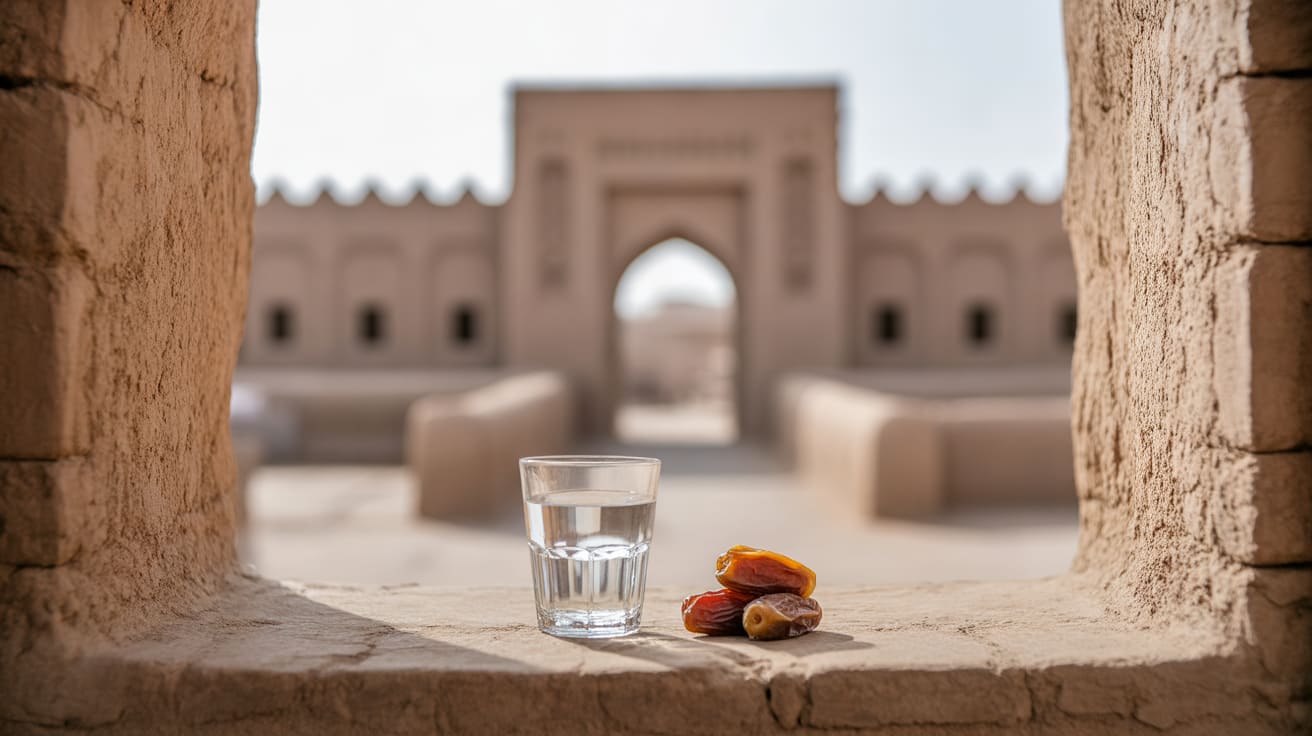
- Start your iftar with dates and a glass of water, then wait 10-15 minutes before the main meal to regulate appetite.
- Focus on high-quality protein at both iftar and suhoor (eggs, chicken, fish, legumes) to support muscle health.
- Drink enough water between iftar and suhoor (8-10 glasses) to compensate for fluid losses.
- Avoid fried and processed foods high in saturated fat and added sugar.
- Maintain light to moderate physical activity (like walking), especially an hour before iftar or after Taraweeh prayers.
- Consult your doctor before fasting if you have chronic health conditions like diabetes or kidney disease.
Sources
- Bou Malhab LJ, Madkour MI, Abdelrahim DN, et al. “Dawn-to-dusk intermittent fasting is associated with overexpression of autophagy genes: A prospective study on overweight and obese cohort.” Clinical Nutrition ESPEN. 2025;65:209-217. doi:10.1016/j.clnesp.2024.11.002
- Trabelsi K, Bragazzi N, Zlitni S, et al. “Observing Ramadan and sleep-wake patterns in athletes: a systematic review, meta-analysis and meta-regression.” British Journal of Sports Medicine. 2020;54(11):674-680. doi:10.1136/bjsports-2018-099898
- Lessan N, Ali T. “Energy metabolism and intermittent fasting: the Ramadan perspective.” Nutrients. 2019;11(5):1192. doi:10.3390/nu11051192
For more articles on how intermittent fasting and exercise reshape your gut microbiome, visit our site.
The Active Arabia weekly
One article built on one named study, every week, in your inbox. No noise.
We never share your email. Unsubscribe in one click.