Research on intermittent fasting microbiome dates reveals that a 2025 study published in Scientific Reports reveals that 16-hour intermittent fasting combined with fermented camel milk and Sukkari dates fundamentally transforms gut bacteria diversity, shifting dominance from Bacteroidota to Firmicutes and enhancing short-chain fatty acid production. This research, conducted by Saudi scientists at King Abdulaziz University, offers compelling evidence for how traditional Ramadan eating patterns may optimize digestive health in the Gulf region. Explore our Ramadan health guide for more evidence-based insights, and read about Ramadan glycemic control findings.
The Study: Intermittent Fasting Microbiome Dates Research
Aljutaily and colleagues designed a rigorous metagenomic analysis examining 36 obese rats across multiple treatment groups. The researchers used 16S rRNA sequencing to identify 226 bacterial families, 499 genera, and 879 species within the gut microbiome. Before any intervention, Bacteroidota—particularly Prevotella species—dominated at 80.50% relative abundance. After treatment with intermittent fasting (16 hours daily) combined with probiotic-fermented camel milk and 10% Sukkari dates, Firmicutes—especially Lactobacillus—rose to 70.86% dominance.
This shift matters because Firmicutes are associated with enhanced short-chain fatty acid (SCFA) production, particularly butyrate, propionate, and acetate. These metabolites strengthen the intestinal barrier, reduce inflammation, and improve glucose metabolism. The functional pathway analysis revealed significant enrichment in carbohydrate degradation pathways, including mannan, rhamnose, glucose, and xylose degradation, suggesting the modified microbiome became more efficient at extracting energy from complex carbohydrates.
Why the Firmicutes Shift Matters
The transition from Bacteroidota to Firmicutes dominance represents more than a taxonomic change—it reflects a fundamental metabolic reprogramming of the gut ecosystem. Firmicutes excel at fermenting dietary fiber and resistant starch into SCFAs, which serve as the primary energy source for colonocytes (colon cells). Butyrate, in particular, has anti-inflammatory properties and may protect against colorectal cancer.
The study’s fermented camel milk component deserves attention. Camel milk contains smaller fat globules and higher proportions of β-casein compared to cow’s milk, making it more digestible. When fermented with probiotic bacteria such as Lactobacillus and Bifidobacterium, it delivers live cultures that colonize the intestine and modulate immune function. Previous research cited by Aljutaily demonstrates that fermented camel milk reduces hepatic steatosis (fatty liver), lowers low-grade inflammation, and decreases fat mass in obese subjects.
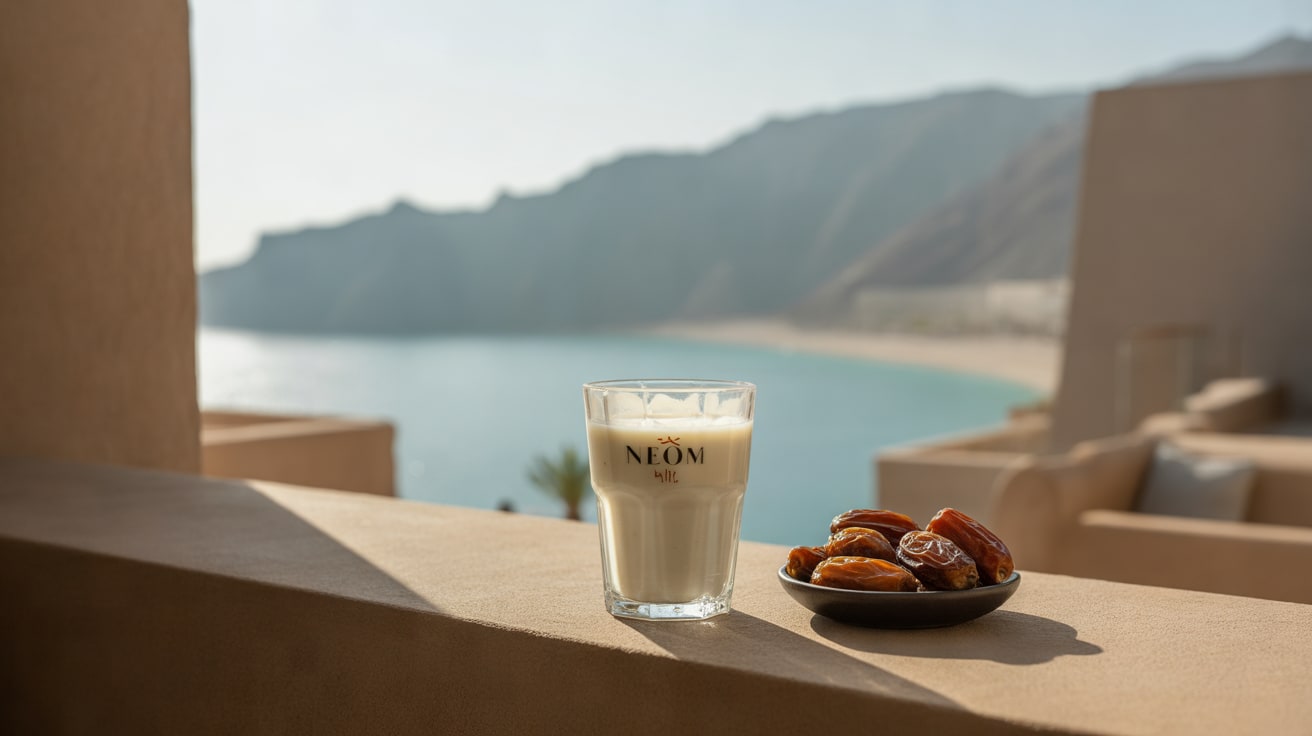
The addition of Sukkari dates—a cultivar widely consumed in Saudi Arabia and the Gulf—contributed dietary fiber, minerals (zinc, iron, copper, potassium, phosphorus, magnesium), and phenolic compounds with antioxidant activity. Dates provide natural sweetness without refined sugar, making them an ideal complement to fermented dairy in a fasting protocol.
Ramadan Fasting as a Microbiome Intervention
The 16-hour fasting window in this study mirrors the typical Ramadan fasting duration in the Gulf, where daylight hours stretch from approximately 5 AM to 7 PM. During Ramadan, Muslims abstain from food and water from dawn to sunset, creating a natural intermittent fasting protocol. The Aljutaily study suggests this pattern, when combined with traditional foods like dates and fermented dairy at iftar and suhoor, may actively reshape the gut microbiome in beneficial ways.
Previous research on Ramadan fasting supports these findings. A 2023 study by Saglam et al. published in Frontiers in Microbiology found that Firmicutes abundance decreased after Ramadan fasting while Proteobacteria increased, though that study did not include probiotic supplementation. The Aljutaily research extends this work by demonstrating that adding fermented camel milk and dates during the eating window amplifies the microbiome benefits beyond fasting alone.
The practical implications for Gulf residents are significant. Traditional Ramadan practices—breaking the fast with dates, consuming fermented dairy products like laban or yogurt, and maintaining a 14-16 hour fasting window—align with evidence-based strategies for microbiome optimization. These foods are not merely cultural preferences; they are functional components of a gut health protocol.
Weight Loss and Metabolic Markers
The combined treatment group (fasting + fermented camel milk + dates) showed the greatest reduction in body weight among all experimental groups. Beyond weight loss, the researchers measured improvements in metabolic markers including superoxide dismutase, glutathione, malondialdehyde, and catalase levels, all indicators of reduced oxidative stress. Histopathological examination revealed reversal of obesity-related tissue damage.
These findings align with a growing body of evidence linking gut microbiome composition to obesity. The ratio of Firmicutes to Bacteroidetes has been proposed as a biomarker for metabolic health, though the relationship is complex and context-dependent. What the Aljutaily study demonstrates is that dietary interventions—specifically the combination of time-restricted eating, probiotics, and traditional foods—can shift this ratio in a direction associated with improved metabolic outcomes.
For individuals in Saudi Arabia and the Gulf, where obesity rates exceed 35% in some populations, these findings offer a culturally appropriate intervention strategy. The foods studied are readily available, affordable, and deeply embedded in local culinary traditions. The fasting protocol requires no special equipment or gym membership—only discipline and access to dates and fermented dairy.
Limitations and Future Research
Several limitations warrant caution. The study used an animal model (rats), and translation to human physiology requires further investigation. The sample size (36 rats, 6 per group) is relatively small, and individual variability in microbiome composition was not fully explored. The study did not include a human Ramadan cohort, so direct application to Ramadan fasting patterns remains inferential.
Additionally, the study examined obese rats specifically. Whether lean individuals would experience the same microbiome shifts is unknown. The fermented camel milk was administered intragastrically (directly into the stomach) at a dose of 10 ml per kilogram of body weight, which may not translate directly to human consumption volumes.
Future research should include randomized controlled trials in human populations during actual Ramadan conditions, with microbiome sequencing before, during, and after the fasting month. Such studies would clarify whether the observed effects in rats generalize to humans and whether the benefits persist beyond the fasting period.
Practical Takeaways for Ramadan
- Break your fast with 1-3 Sukkari or Ajwa dates, following the Prophetic tradition and providing immediate glucose plus fiber to feed beneficial gut bacteria.
- Include fermented dairy at suhoor and iftar: laban, yogurt, or fermented camel milk deliver probiotic cultures that colonize the intestine.
- Maintain a consistent fasting window of 14-16 hours to allow the migrating motor complex to clear undigested food and reduce bacterial overgrowth.
- Avoid processed foods and refined sugars during the eating window, as these feed Bacteroidota and reduce microbiome diversity.
- Stay hydrated with water between iftar and suhoor; dehydration reduces mucosal integrity and impairs the gut barrier.
- Consider adding prebiotic-rich foods like onions, garlic, leeks, and whole grains to feed the Firmicutes and enhance SCFA production.
Sources
- Aljutaily T, Aladhadh M, Alsaleem KA, Alharbi HF, Barakat H, Aljumayi H, Moustafa MMA, Rehan M. “Gut microbiota diversity in obese rats treated with intermittent fasting, probiotic-fermented camel milk with or without dates and their combinations.” Scientific Reports. 2025;15:14204. doi:10.1038/s41598-025-96893-9
- Saglam D, et al. “Effects of Ramadan intermittent fasting on gut microbiome: is the diet key?” Frontiers in Microbiology. 2023;14:1203205. doi:10.3389/fmicb.2023.1203205
- Aljutaily T, Barakat H, Moustafa MMA, Rehan M. “Incorporation of Sukkari Date in Probiotic-Enriched Fermented Camel Milk Improves the Nutritional, Physicochemical, and Organoleptical Characteristics.” Fermentation. 2022;8(4). doi:10.3390/fermentation8040206
This article summarizes peer-reviewed research and does not constitute medical advice. Consult a healthcare provider before making significant dietary changes, especially if you have diabetes, gastrointestinal conditions, or other health concerns.
The Active Arabia weekly
One article built on one named study, every week, in your inbox. No noise.
We never share your email. Unsubscribe in one click.