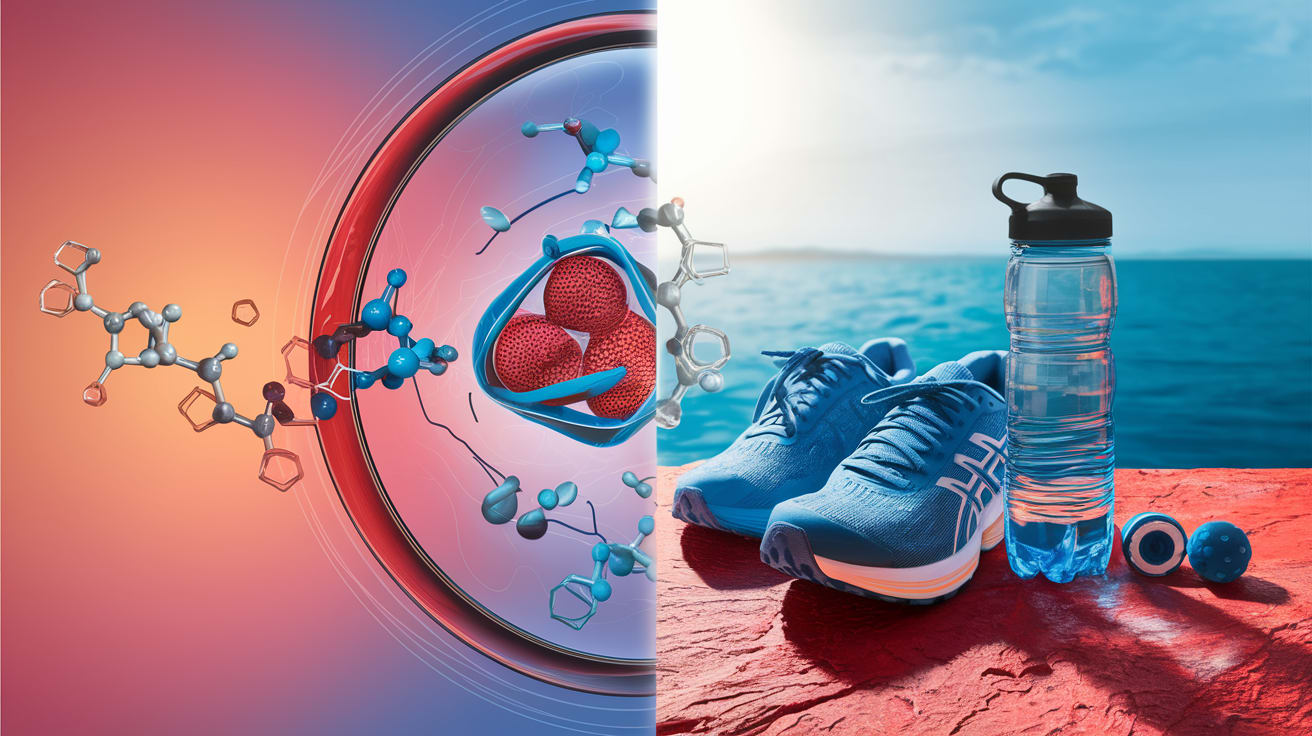
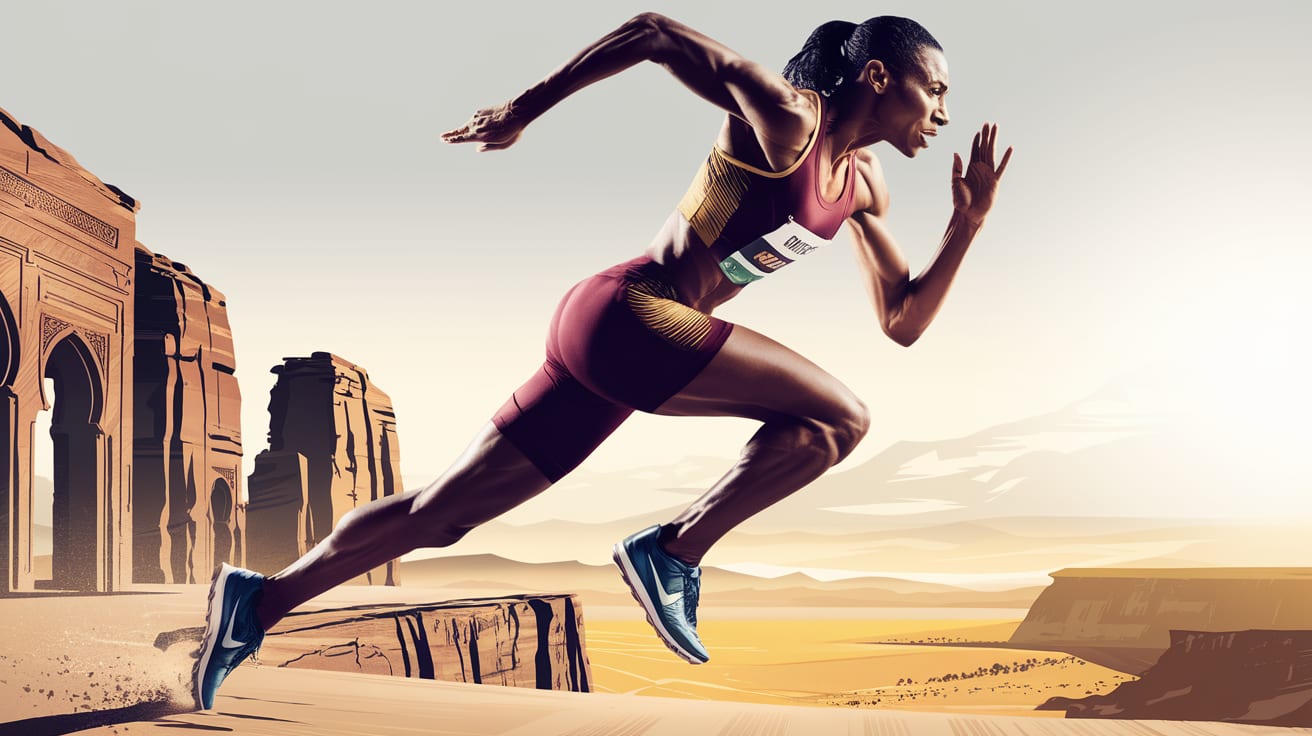
female athlete iron deficiency is a silent performance killer. You’re crushing your training, sleeping well, eating right—yet you feel exhausted, your pace is slower, and recovery is glacially slow. The culprit? Iron deficiency affects up to 60% of female athletes without their knowledge. Iron is the mineral that binds oxygen and transports it to your muscles and brain. Without enough iron, your cells cannot produce ATP (energy) efficiently, and your aerobic power plummets.
female athlete iron deficiency: the science of oxygen transport
A systematic review analyzing 669 female athletes across 16 different sports found decisive evidence: iron deficiency tanks aerobic capacity and endurance performance. But here’s the breakthrough—supplementation reverses it. Athletes who took 100 mg of elemental iron daily for up to 56 days saw endurance performance improve by 2–20%—a massive and measurable gain. Aerobic capacity itself improved 6–15% in iron-deficient athletes treated with iron for 36–126 days. This translates to faster times, higher output, and competitive edge. Read more about athletic performance science to understand how micronutrients directly impact your potential.
why women are at higher risk: menstruation and training intensity
Menstruation is the primary culprit. Research shows menstruating athletes lose 1–2 mg of iron per day during their cycle, a loss that accumulates over 4–7 days every month. Combined with the intense iron demands of hard training (sweat losses, micro-tears requiring repair), female athletes face a perfect storm of iron depletion. Additionally, many female athletes follow low-calorie or plant-based diets to maintain leanness—a choice that further reduces iron intake, especially heme iron from meat. Vegetarian and vegan athletes must be deliberate about legumes, fortified grains, and pairing iron with vitamin C for absorption.
early warning signs you’re iron deficient
- Persistent fatigue unrelieved by extra sleep or rest days
- Slower pace despite identical effort; loss of top-end power
- Delayed recovery; muscle soreness lingers 3–5 days instead of 1–2
- Brain fog; difficulty concentrating during or after workouts
- Shortness of breath during efforts that used to feel easy
- Pale complexion; brittle nails; frequent colds
iron-rich foods and smart supplementation
Red meat (beef, lamb) is the most absorbable source—heme iron, the form your body readily uses. Poultry, fish, and shellfish are next. Plant sources (legumes, dark leafy greens, fortified cereals) contain non-heme iron, which is absorbed poorly unless paired with vitamin C (citrus, tomatoes, peppers). A simple hack: consume iron-rich foods with orange juice or tomato sauce. If blood tests reveal iron deficiency or low ferritin, your doctor may prescribe oral iron supplementation (ferrous sulfate, ferrous bisglycinate, or other forms). Some athletes respond well to parenteral (injected) iron for faster repletion.
action plan starting today
Request a blood panel from your doctor: measure hemoglobin (oxygen capacity), ferritin (iron stores), and serum iron. This simple test is inexpensive and actionable. While awaiting results, add iron-rich protein to every meal: beef, chicken, fish, or legumes. Pair with vitamin C. If you’re vegetarian, double down on legume portions and fortified grains. Most importantly: if you’re menstruating and training hard, assume you’re at risk. Early intervention with diet or targeted supplementation restores your competitive edge in weeks, not months.
Sources
- PubMed: Iron deficiency, supplementation, and sports performance in female athletes: A systematic review
- PubMed Central: The Effect of Iron Supplementation on Female Athlete Performance
- NIH/PubMed: Iron Deficiency in Adolescent and Young Adult Athletes
The information in this article is for educational purposes only and does not substitute professional medical advice.
The Active Arabia weekly
One article built on one named study, every week, in your inbox. No noise.
We never share your email. Unsubscribe in one click.