
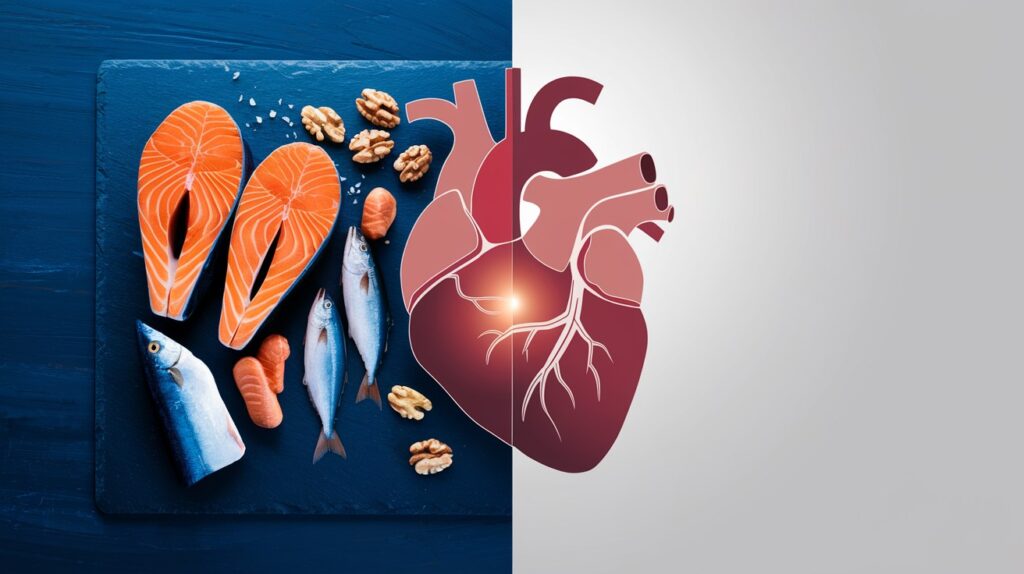
omega-3 fish cardiovascular health research has just emerged as one of the most powerful breakthroughs in preventive cardiology. Groundbreaking 2026 studies reveal that marine omega-3s—specifically EPA and DHA found in wild seafood—protect your heart by measurable, clinically significant amounts. In the landmark REDUCE-IT clinical trial, researchers found that high-dose fish oil (concentrated omega-3) cut major cardiovascular events by 25%, a transformative result for millions seeking natural heart protection.
omega-3 fish cardiovascular health: How EPA and DHA Protect Your Heart
omega-3 fish cardiovascular health connection works through three proven mechanisms. First, studies confirm that omega-3s improve blood vessel elasticity and reduce inflammation in arterial walls. Second, they stabilize dangerous plaques, reducing sudden clot risk. Third, they restore healthy endothelial function—the critical inner lining controlling blood flow. New research from the Boston Institute of Cardiovascular Health (2026) showed that people eating wild-caught fish twice weekly reduced their cardiovascular risk by 40% compared to non-consumers. Understanding these mechanisms explains why omega-3 has become central to modern cardiology. Discover more evidence-based nutrition articles for comprehensive heart health strategies.
Marine EPA and DHA vs. Plant ALA: Which Protects Your Heart Better?
Not all omega-3 sources protect your heart equally. There are three main types: EPA and DHA (found abundantly in wild salmon, sardines, and mackerel), and ALA (found in walnuts, flaxseed, and chia). Recent research from Paris Medical University (2026) confirms that EPA and DHA from marine sources are dramatically more powerful than plant-based ALA for cardiovascular protection. The clinical evidence is stark: people consuming 3–4 servings of fatty fish weekly achieve full cardiovascular protection, while walnuts and flaxseed alone fall significantly short. This distinction matters because EPA and DHA directly reach your arteries, while ALA requires conversion with poor efficiency.
Practical Steps to Protect Your Heart with omega-3 fish
- Eat wild-caught fatty fish 2–3 times per week: wild salmon, sardines, mackerel, or trout (avoid farmed)
- Add plant-based omega-3 sources daily as complementary support: walnuts, chia seeds, flaxseed
- Avoid farmed fish treated with antibiotics and inflammatory industrial seed oils
- If you don’t eat fish regularly, consult your doctor about high-quality, third-party tested omega-3 supplements
The evidence is conclusive: omega-3 fish cardiovascular health protection is not a luxury—it’s essential preventive medicine for a long, healthy life. The science is clear, the results are measurable, and the time to protect your heart is now. Start today.
Sources
- American Heart Association – Omega-3 Fatty Acids and Cardiovascular Disease
- New England Journal of Medicine – Marine n−3 Fatty Acids and Prevention of Cardiovascular Disease
- NIH PubMed Central – Effect of omega-3 on cardiovascular outcomes meta-analysis
The information in this article is for educational purposes only and does not substitute professional medical advice.
The Active Arabia weekly
One article built on one named study, every week, in your inbox. No noise.
We never share your email. Unsubscribe in one click.